Out of stock
€ 5.000,00
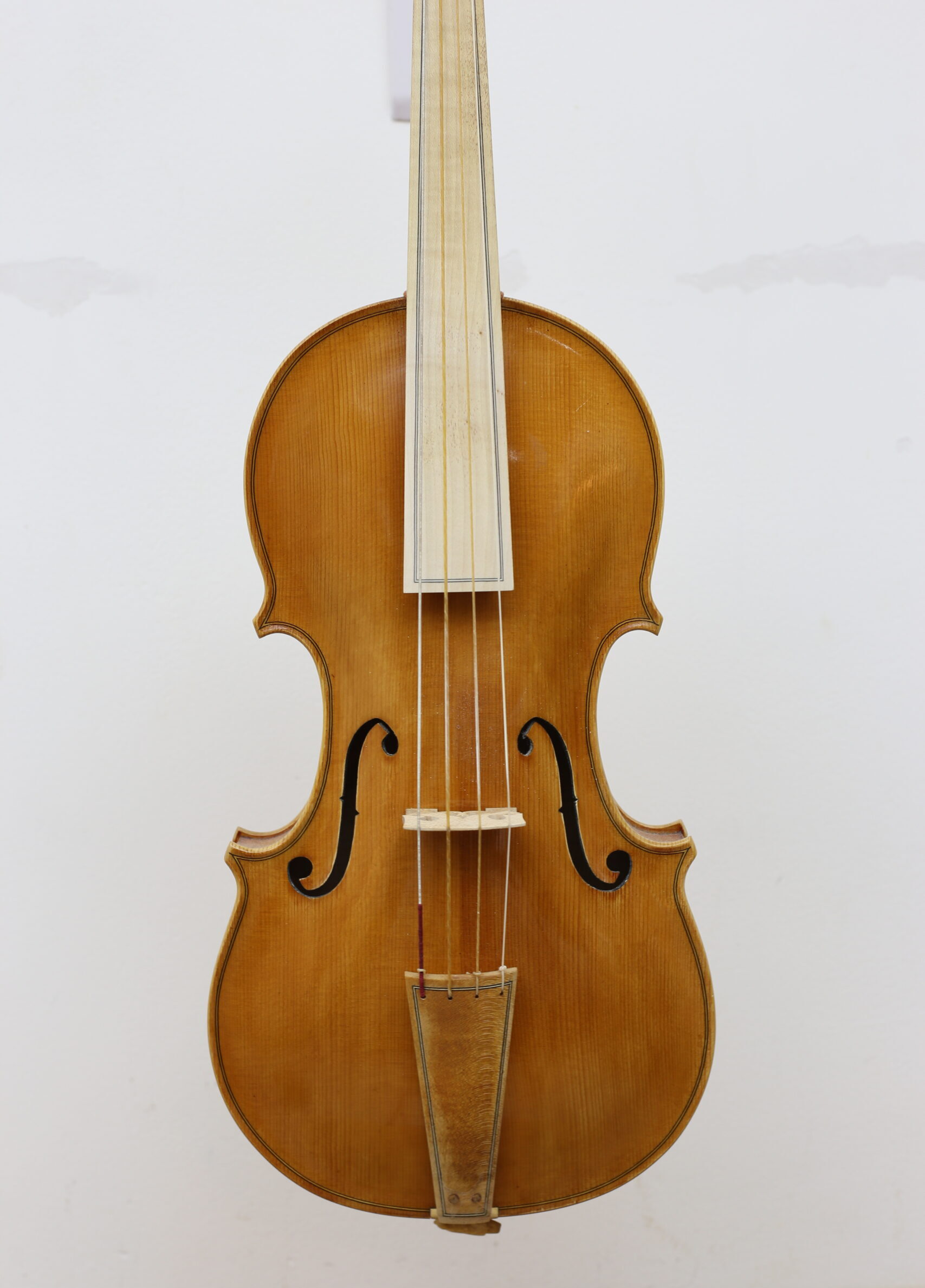
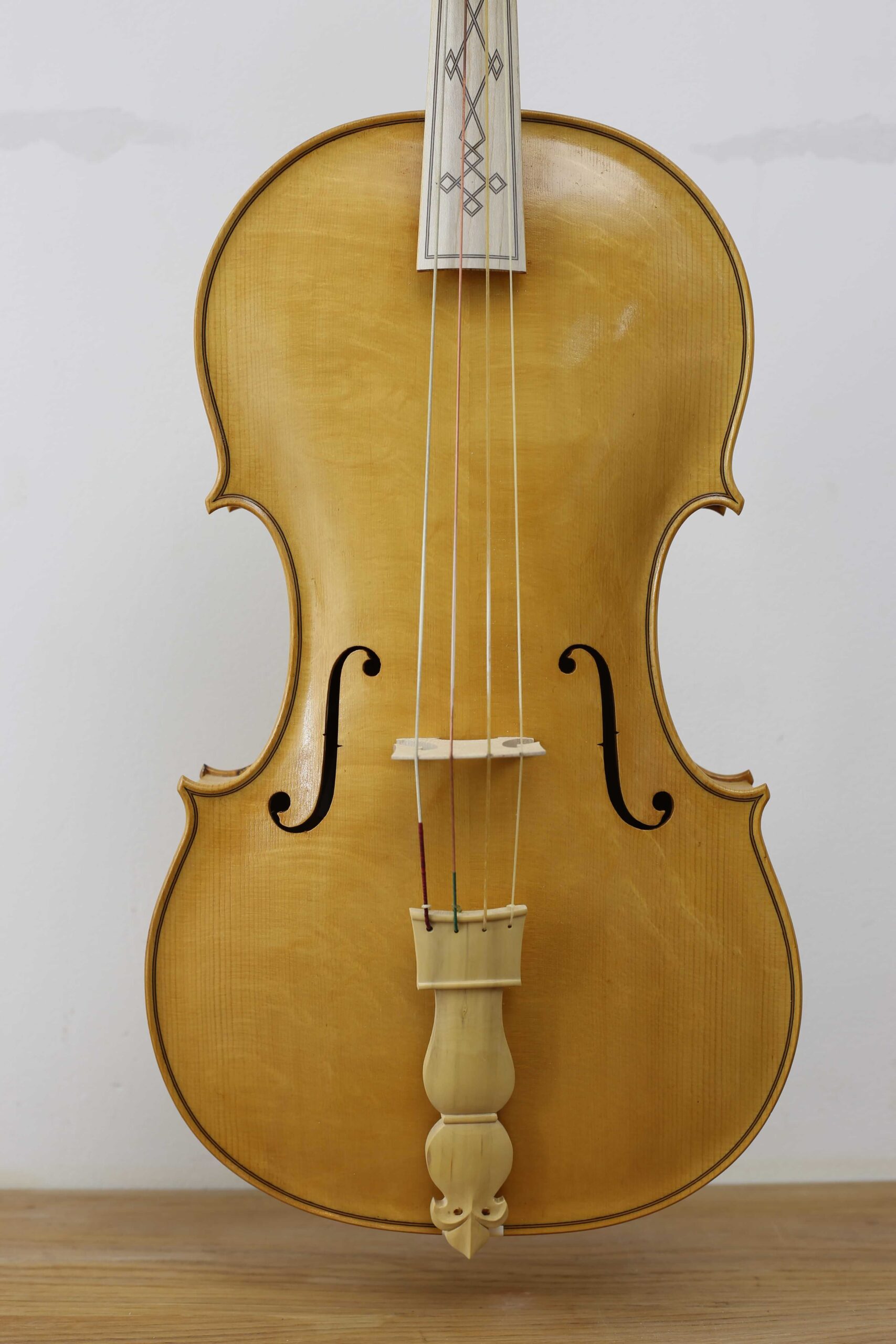
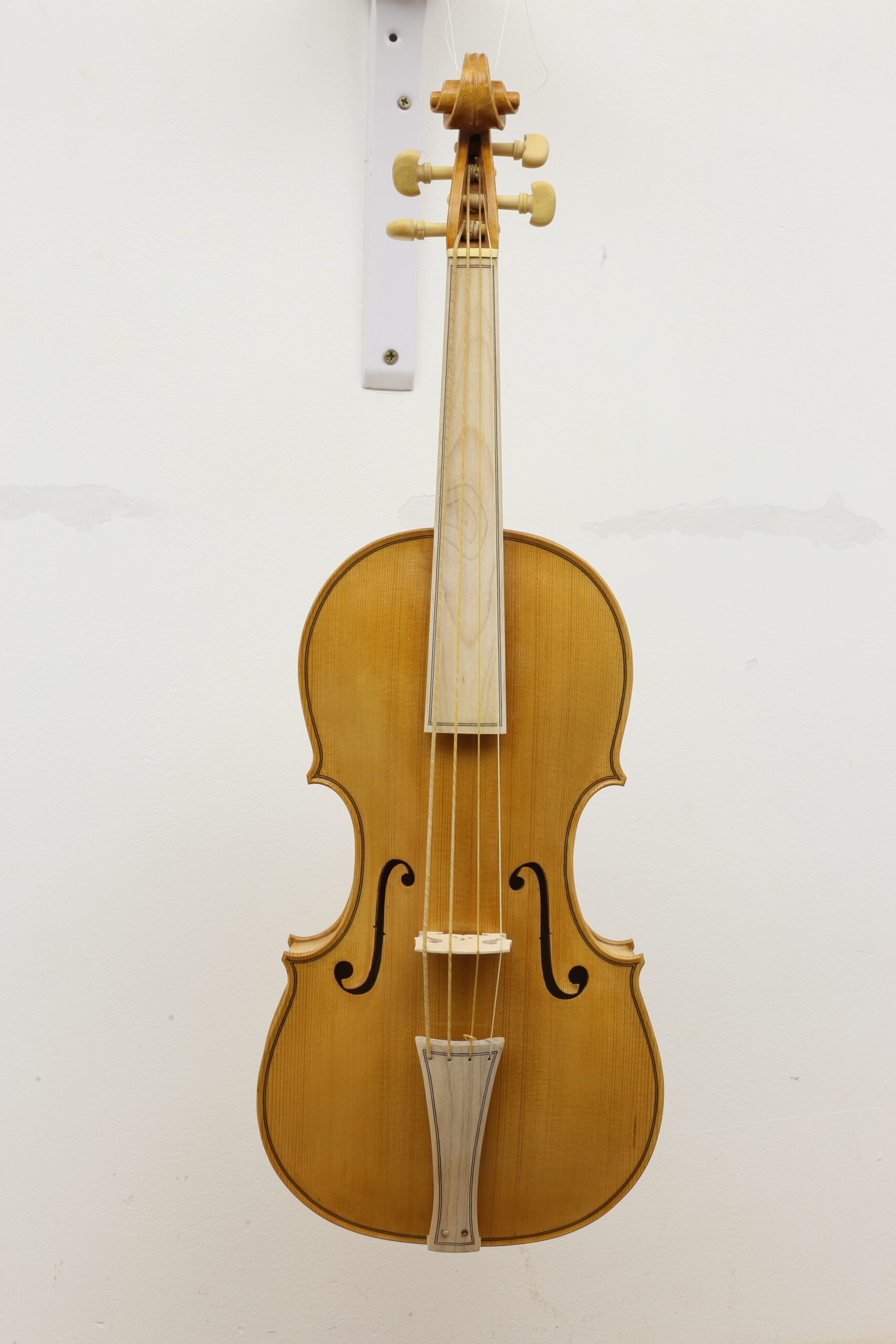
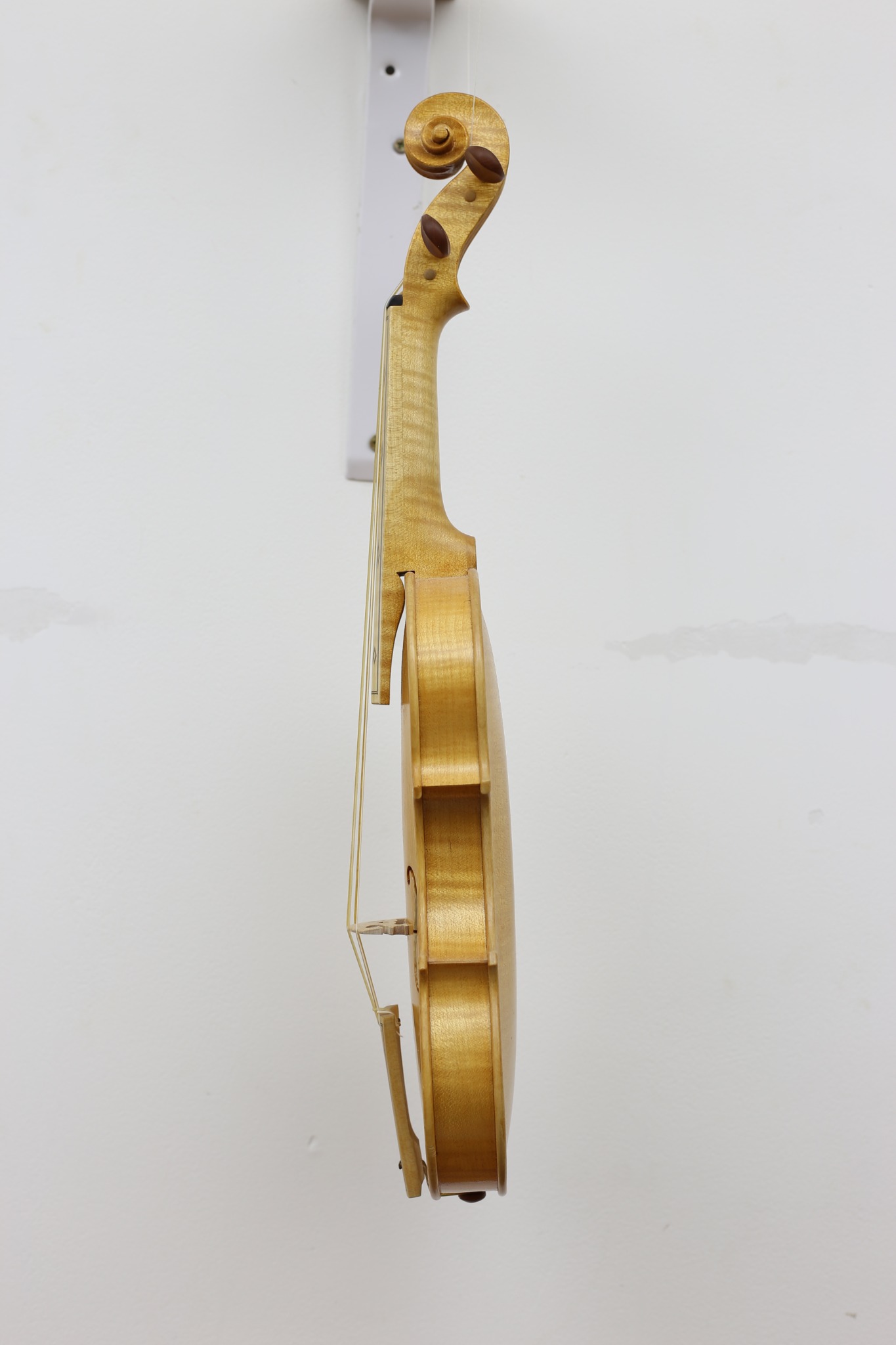
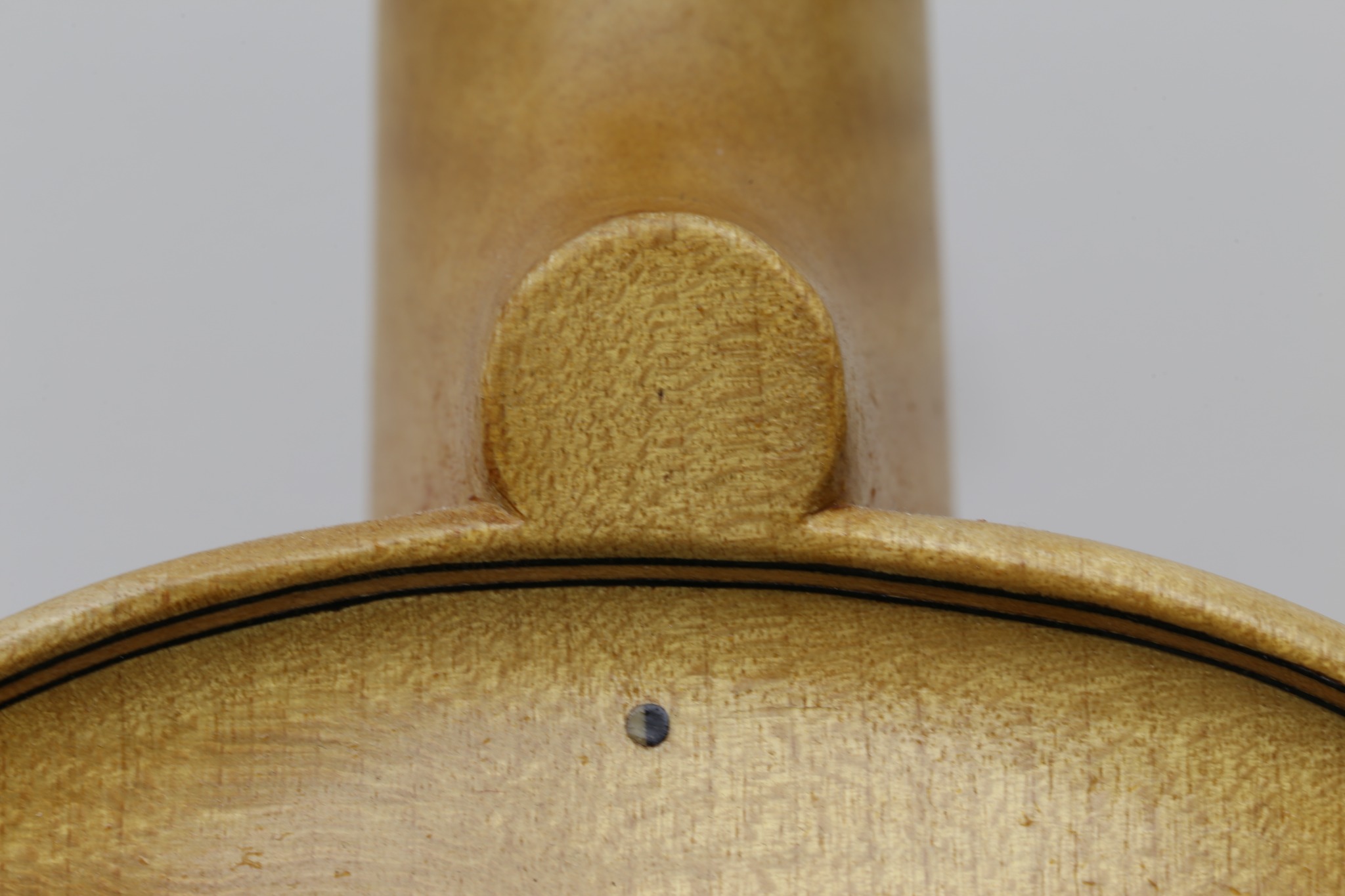
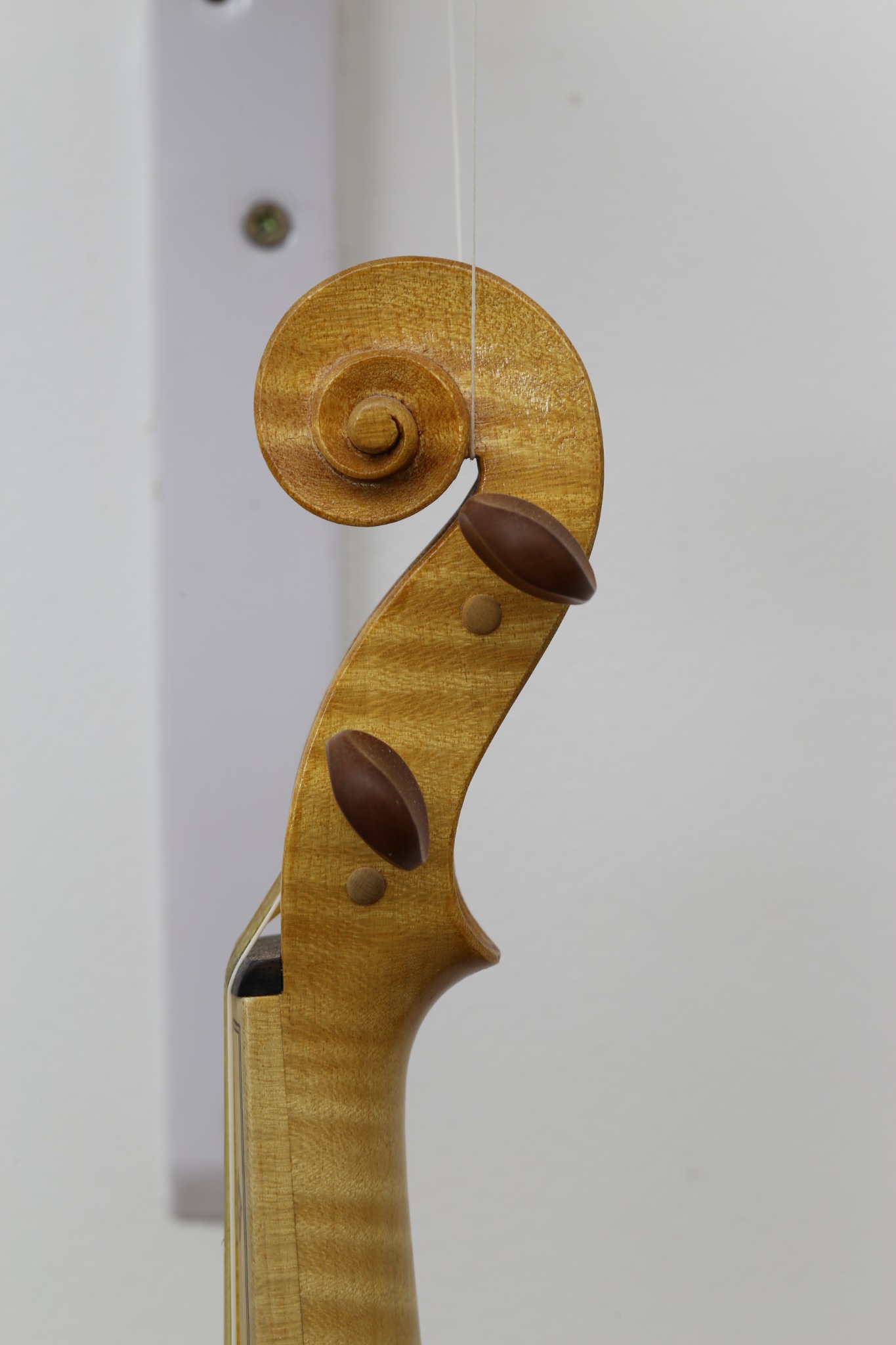
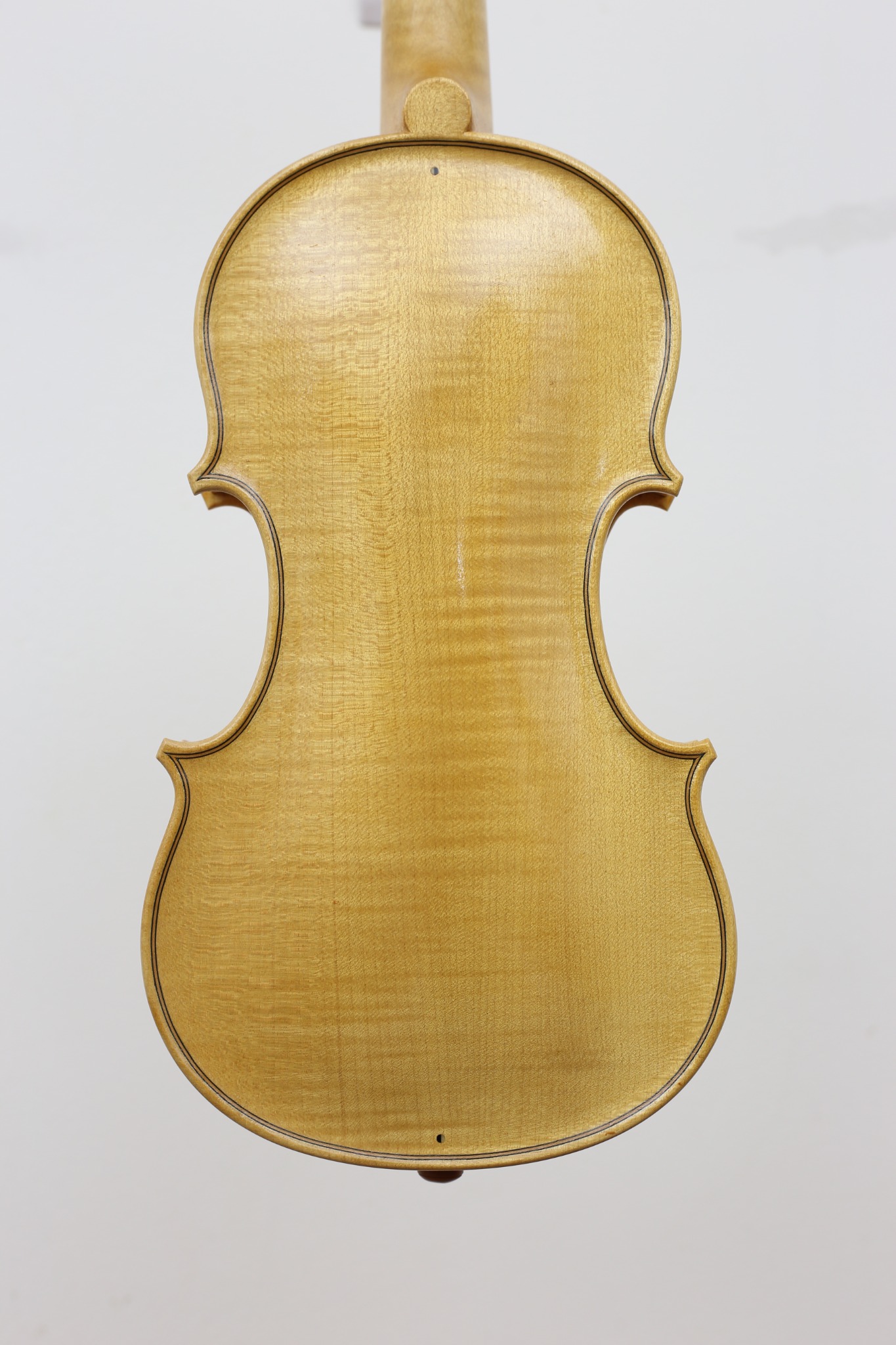
“Paul” is a handcrafted violino piccolo, closely based on the remarkable 1613 Amati piccolo violin from Cremona.
The surviving original is exceptional: it has remained largely unaltered for more than four centuries, preserving important features of early seventeenth-century violin making that have disappeared from most surviving instruments.
For “Paul”, the intention was therefore not to reinterpret the model, but to remain as close as possible to this extraordinary historical example.
This instrument is based on the 1613 violino piccolo by Girolamo Amati, made in Cremona and today preserved in the collection of the National Music Museum in the United States.
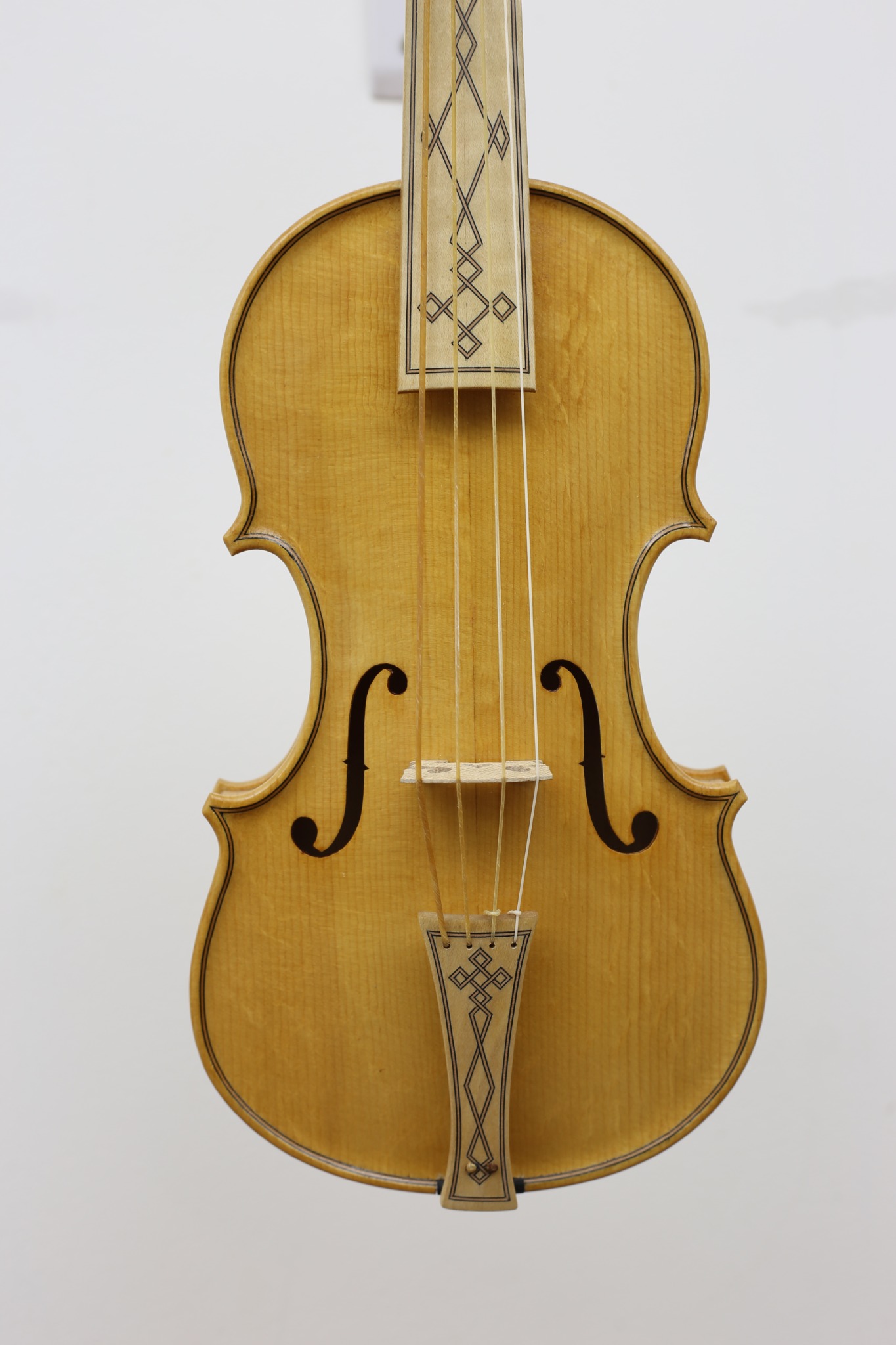
The original is one of the rare surviving Cremonese instruments to retain its early configuration, including its distinctive decorated fingerboard and tailpiece. Its unusually complete state offers a rare opportunity to study how a violin-family instrument of the early seventeenth century originally looked and was constructed.
The violino piccolo was not simply a children’s violin. Its small body was combined with a neck suitable for an adult player, and the instrument was intended for a higher register than the standard violin.
Dedicated repertoire for the violino piccolo is comparatively rare. Its specialised role and eventual replacement by developments in violin technique have made both historical examples and modern reproductions unusual.
“Paul” was created as a close interpretation of this exceptional surviving instrument.
“Paul” is entirely handmade according to traditional baroque violin-making principles.
Its compact dimensions distinguish it immediately from a conventional violin:
Despite its small body, the instrument is conceived as a true historical violino piccolo, rather than as a reduced violin intended for a child.
Its proportions and construction are closely based on the surviving 1613 Amati model.
The fingerboard follows the lightweight historical construction used throughout my baroque instruments, with a fine spruce core veneered with maple.
One detail is particularly important to me.
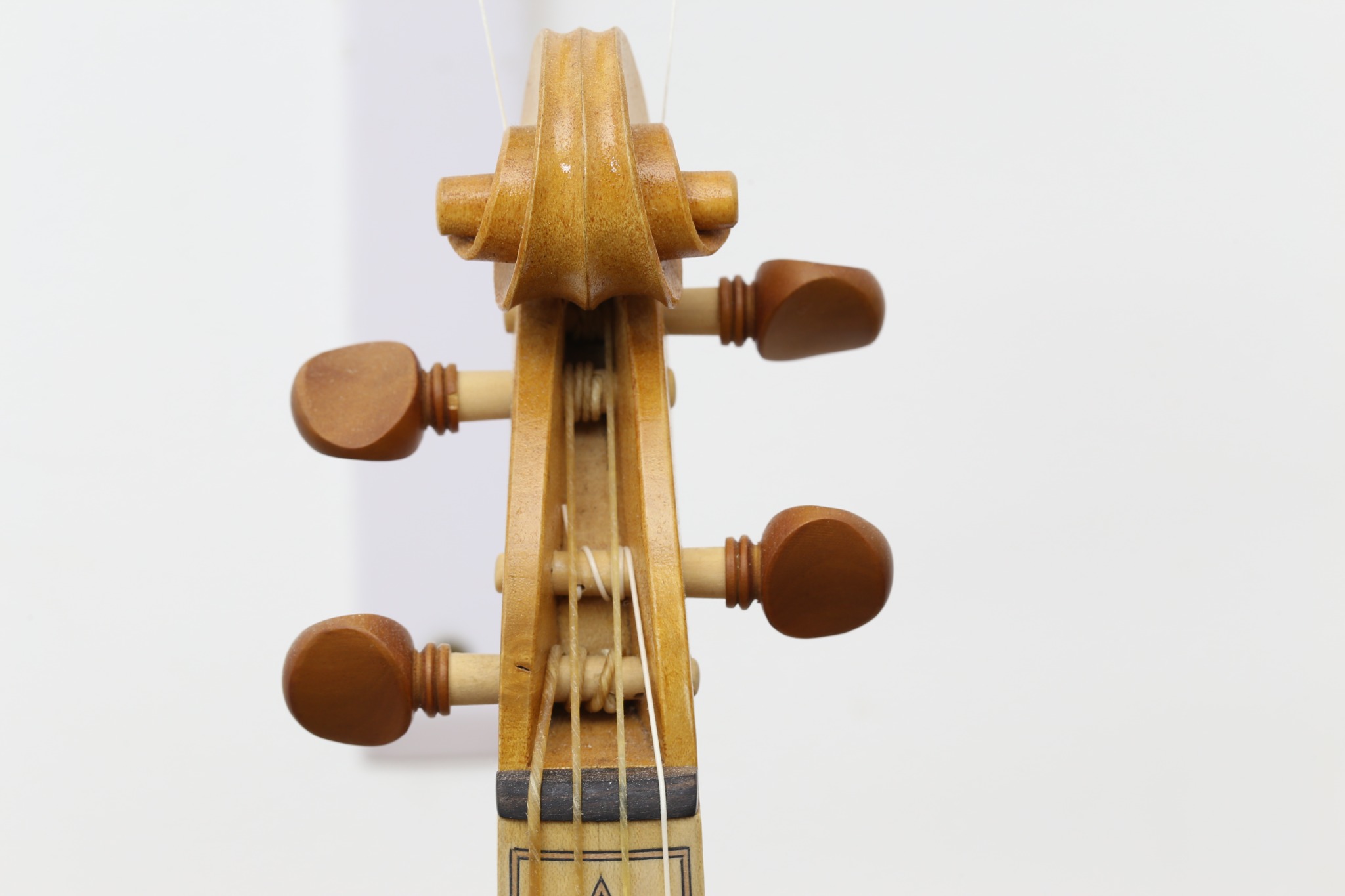
The beautifully preserved decorated fingerboard of the original 1613 Amati became the reference for the fingerboard inlay used on many of my later instruments.
Because the original survives in such exceptional condition, it provides a rare and unusually clear example of early seventeenth-century decorative work. The pattern seen on this small piccolo violin subsequently became an important visual influence throughout my own work.
In that sense, “Paul” occupies a special place within the development of my instruments: a historical detail studied here would later become part of the visual language of Eveldt violin making.
The instrument is finished with a traditional amber oil varnish, chosen for its warm transparency and compatibility with historically informed construction.
The varnish allows the natural character of the wood to remain visible while giving the piccolo violin the warm, understated appearance characteristic of my other baroque instruments.
“Paul” is equipped according to historically informed baroque practice, including:
The reduced dimensions and historical construction give the instrument a voice distinctly different from that of a standard violin.
“Paul” has an exceptionally clear, sparkling and projecting voice.
Its sound is characterised by:
The small body does not result in a timid sound. On the contrary, the instrument has a remarkably direct presence and projects with an immediacy that suits its historical role in the higher register of the violin family.
This is a highly specialised instrument, particularly suited for:
“Paul” is not intended as an all-purpose replacement for a standard violin. Its appeal lies precisely in its specialised historical identity.
With “Paul”, my goal was straightforward: to come as close as possible to the surviving original.
The 1613 Amati is an instrument I find exceptionally beautiful, not only because of its proportions and decoration, but because of the extraordinary condition in which it has survived.
Very few instruments allow us to look this directly into the workshop practices of the early seventeenth century.
It is an instrument I would dearly love to hold in my own hands one day.
Until then, building one myself felt like the next best thing.
Rather than using the historical model merely as a starting point for experimentation, this project became an homage to the original: an attempt to understand it through the process of building it.
Its influence ultimately extended beyond this single instrument. The surviving Amati fingerboard became the reference for decorative inlay that I would later incorporate into other violins, allowing a small detail from a rare 1613 instrument to continue through my own work.
Out of stock