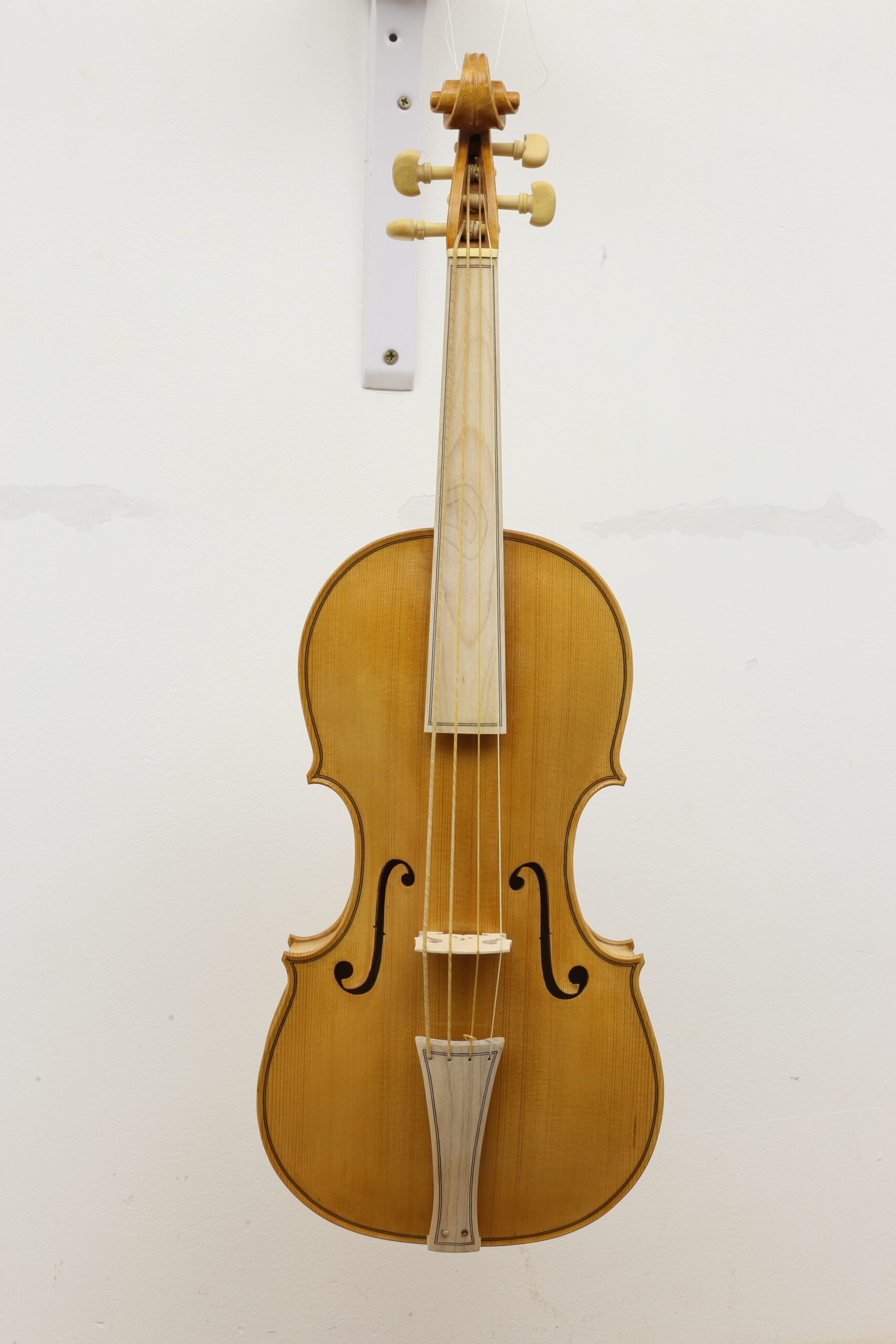
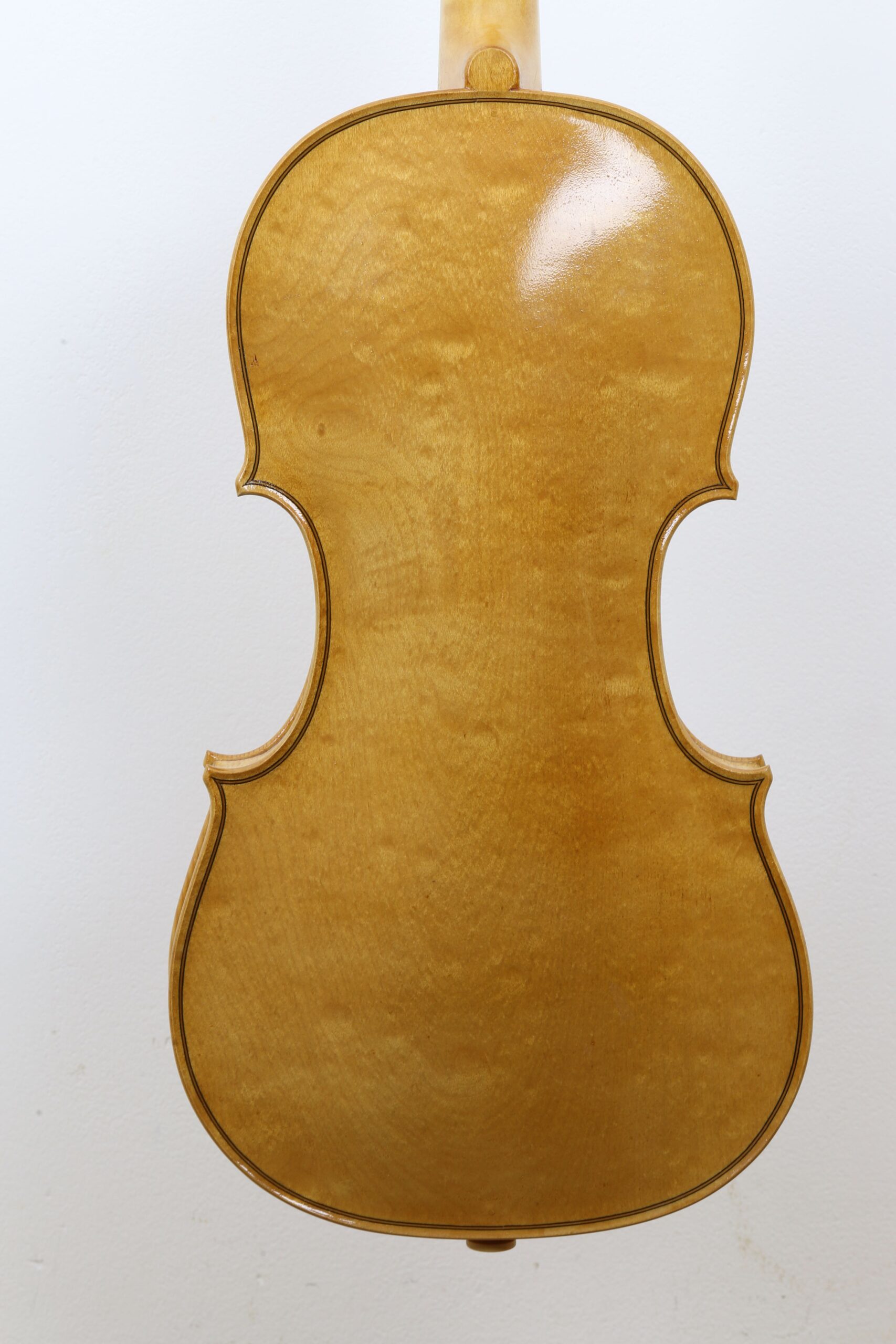
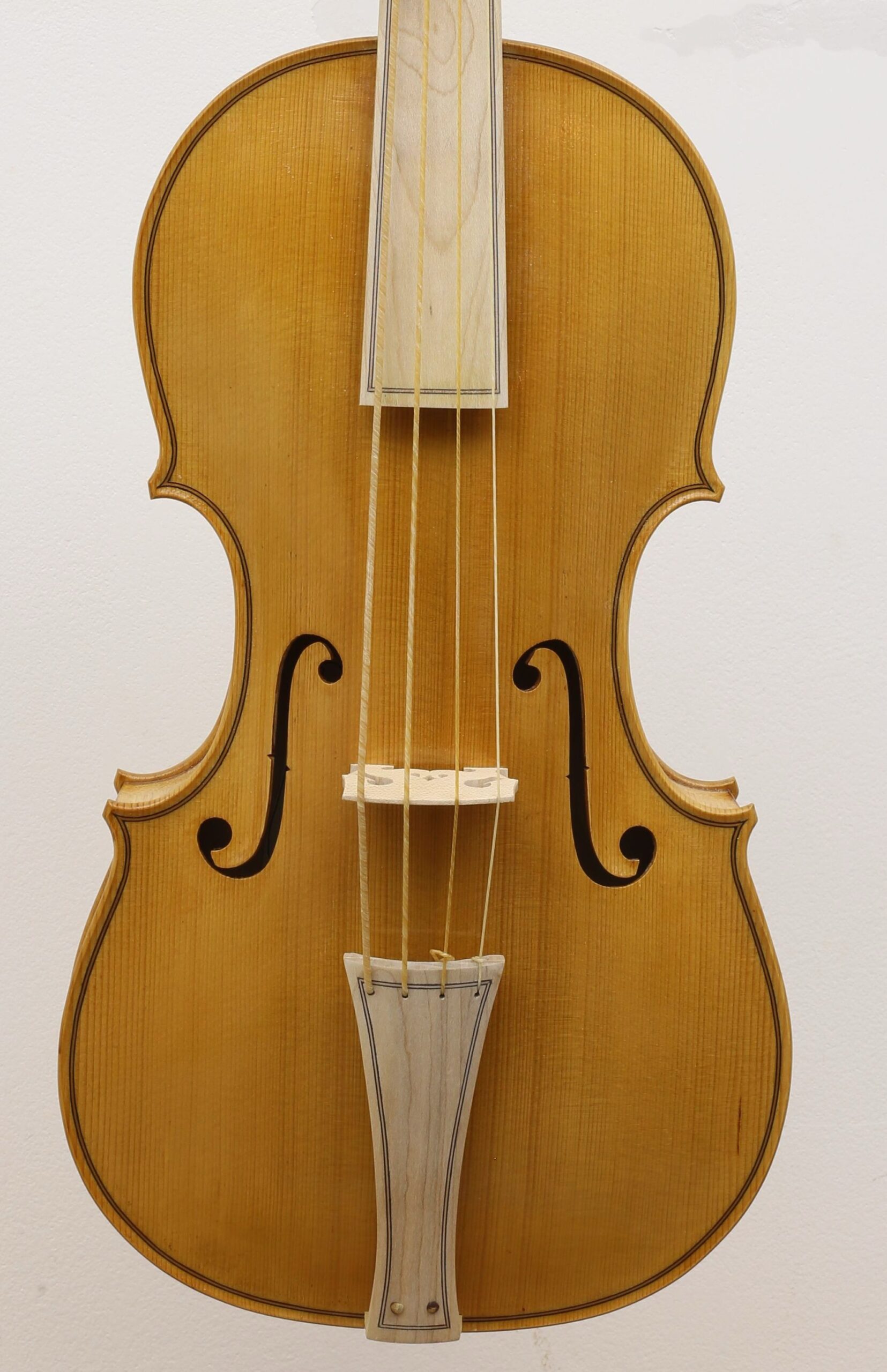
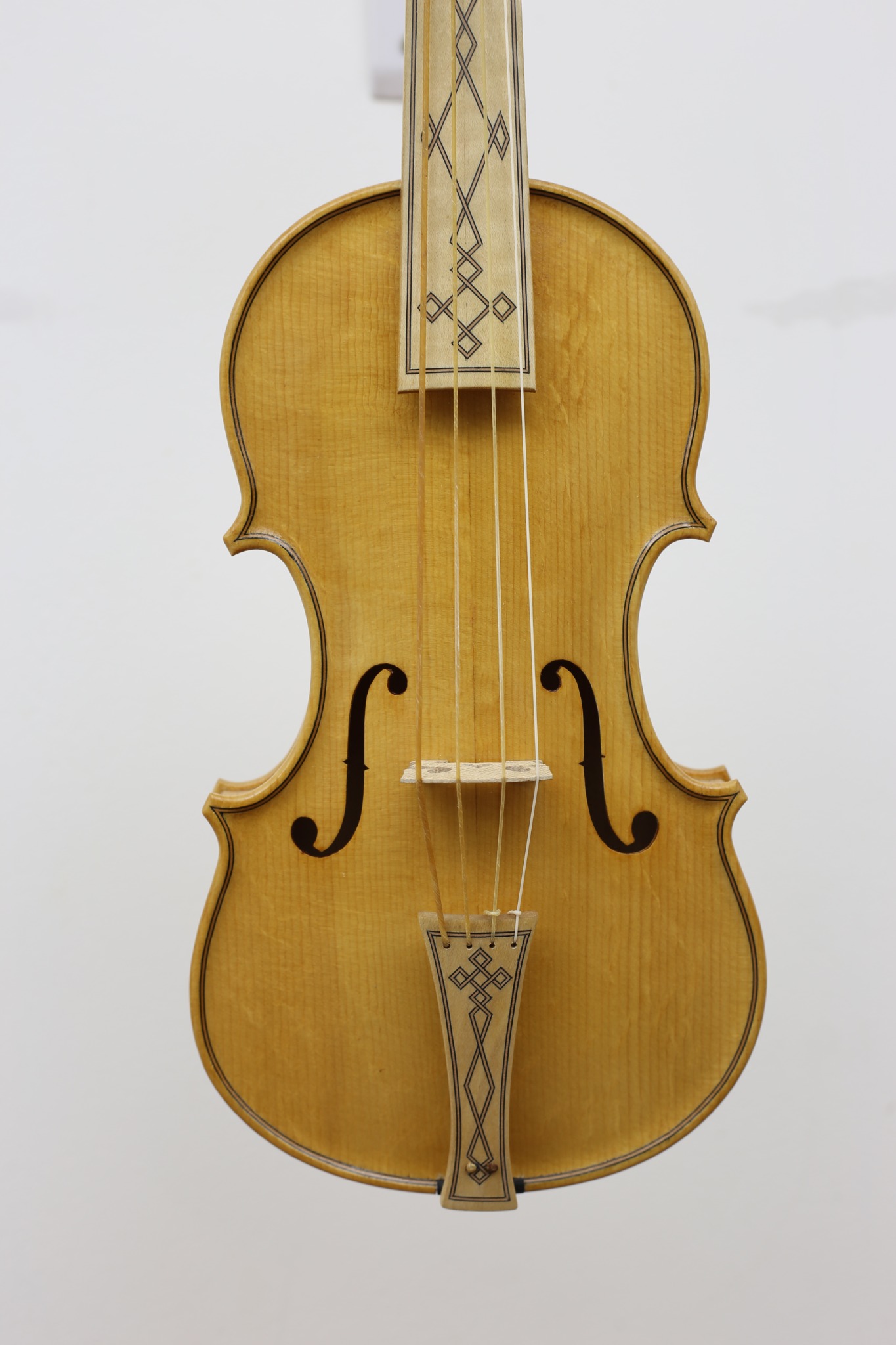
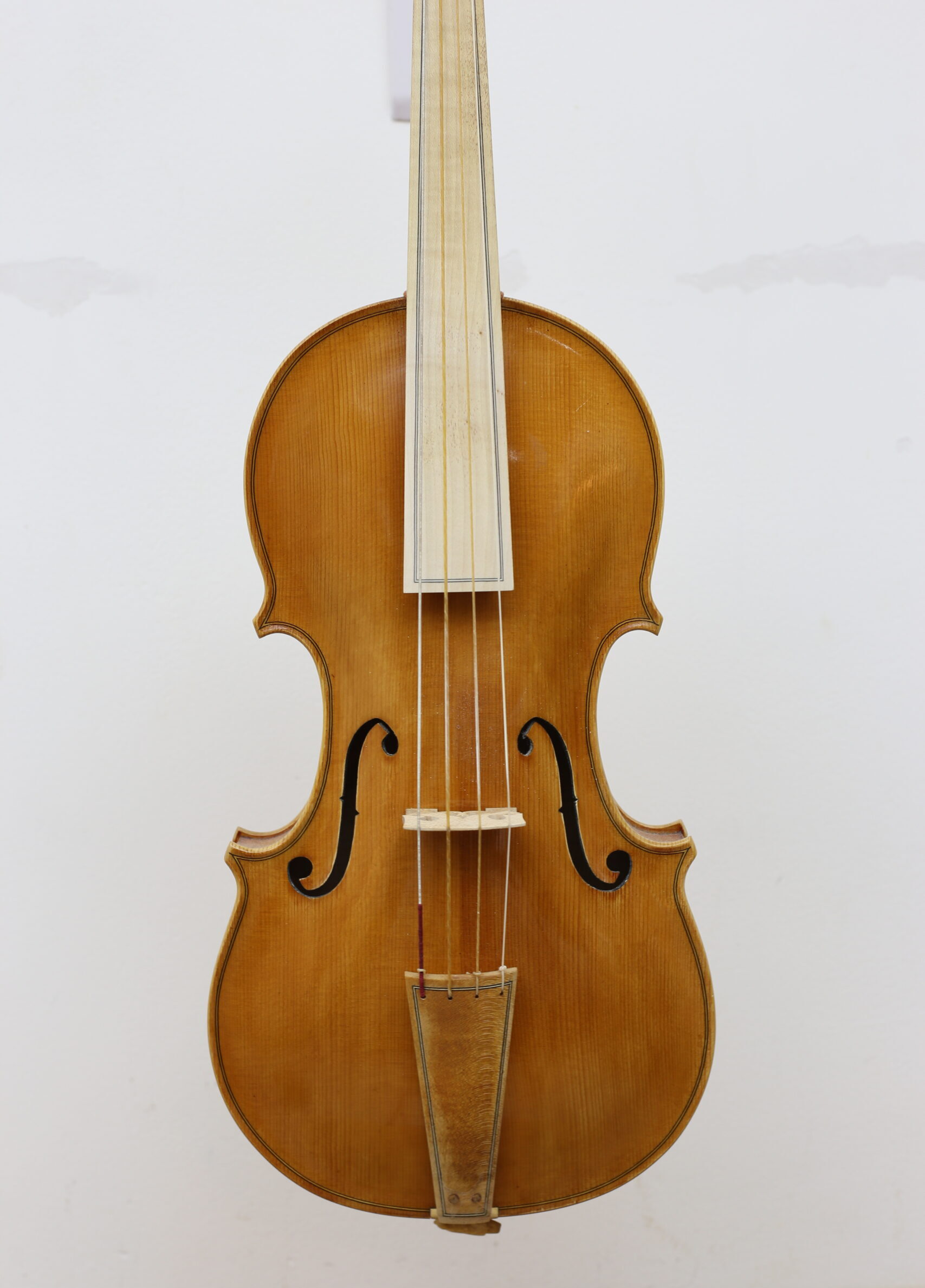
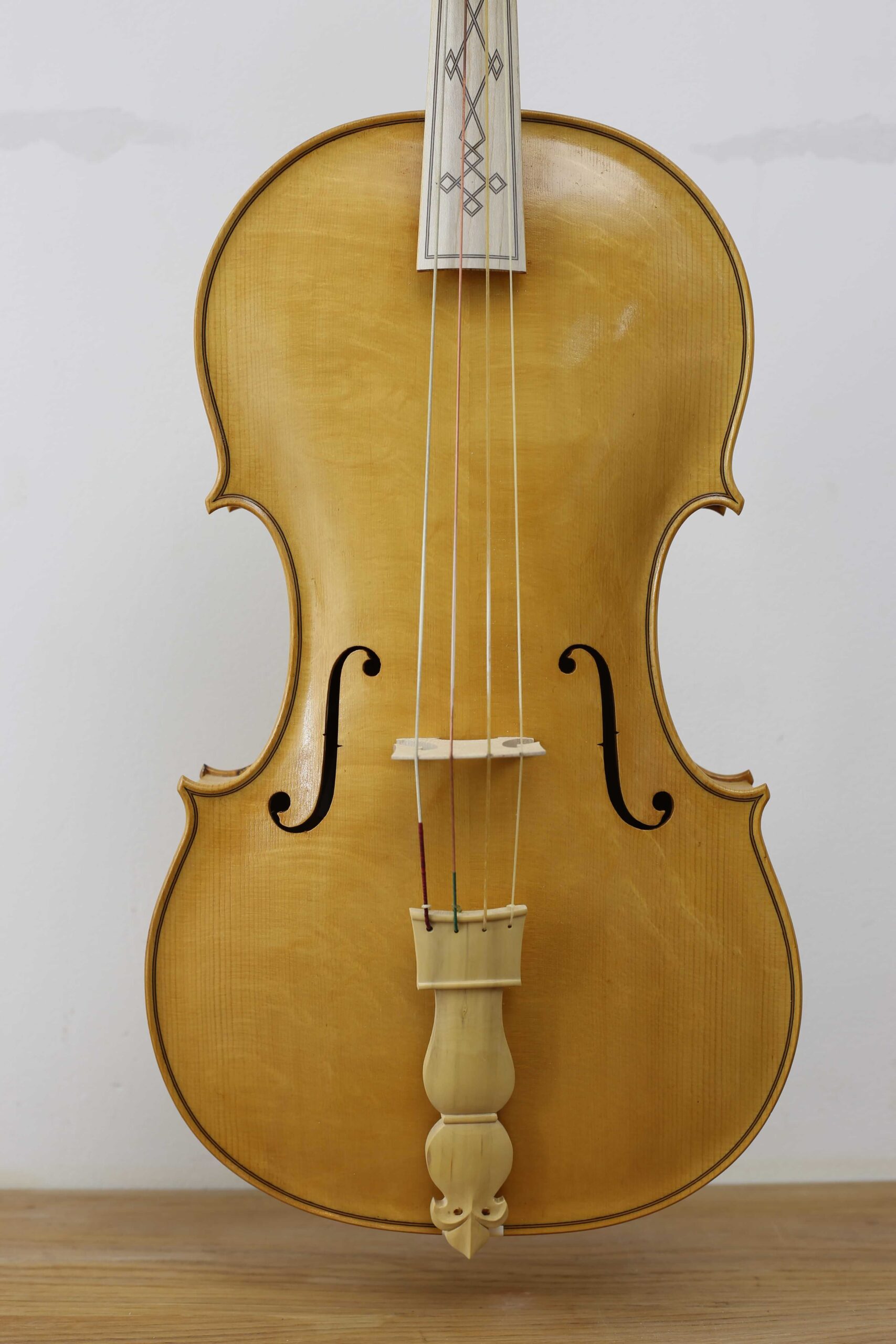
This handcrafted baroque violin is inspired by the Tyrolean tradition and the work of Jacobus Stainer, one of the most influential violin makers of the 17th century. Known for their distinctive arching and refined tonal character, Tyrolean instruments offer a unique alternative to later Italian models.
This violin reflects that tradition through its construction, proportions, and sound, while maintaining a clear, individual interpretation.
Historical foundation – the Tyrolean school
This model is based on the 17th-century violin-making tradition of Tyrol (Austria), closely associated with Jacobus Stainer.
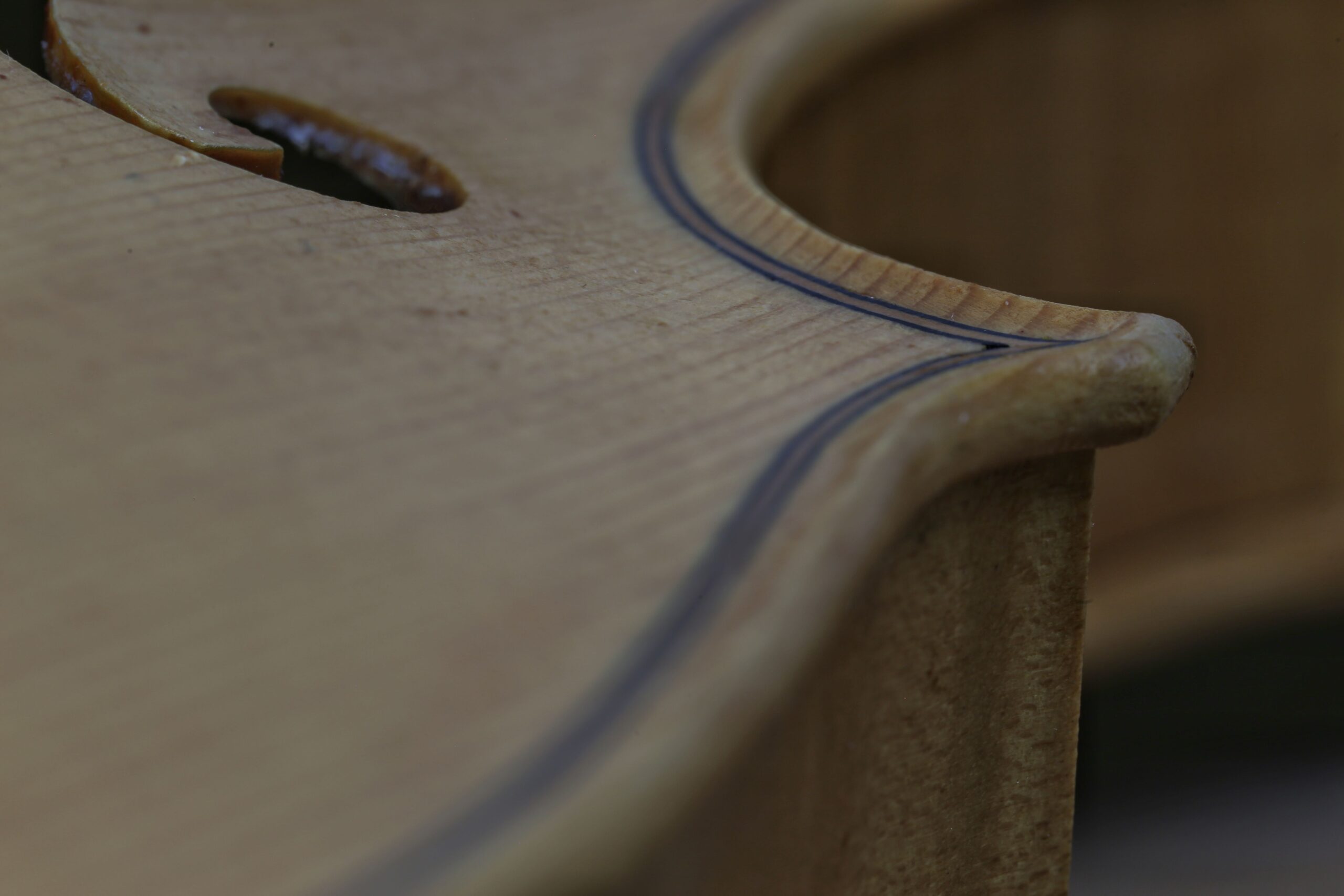
Stainer’s instruments are known for their higher arching, refined craftsmanship, and a tonal character that emphasizes clarity and articulation. This violin follows those principles, particularly in its arching and structural approach.
Rather than copying a single historical instrument, this model is an interpretation of the Tyrolean style, incorporating key features such as:
- pronounced arching
- a nailed neck construction
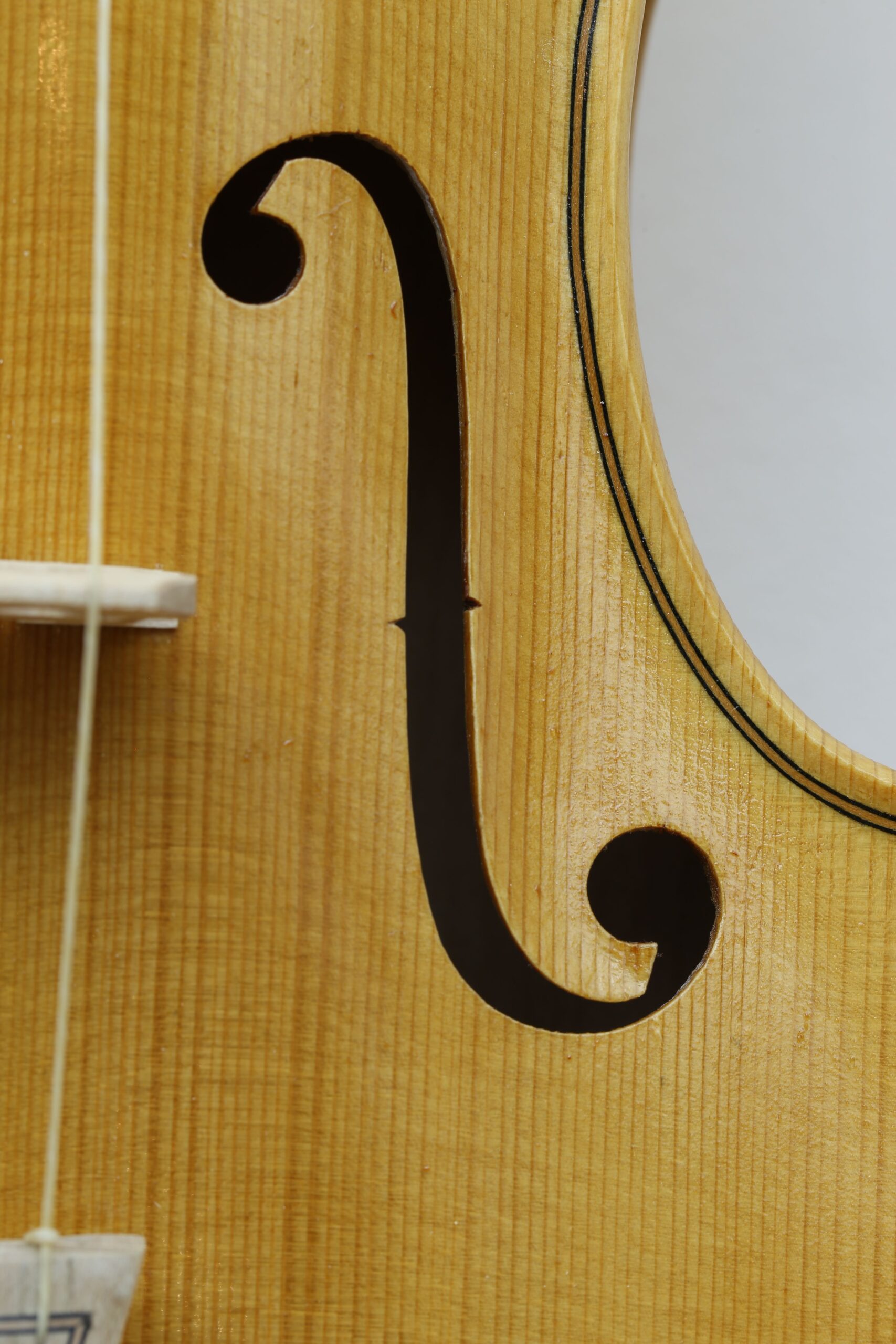
- wider spacing between the f-holes, contributing to tonal character
Construction and build
This violin is entirely handmade using traditional baroque techniques, without modern concessions.
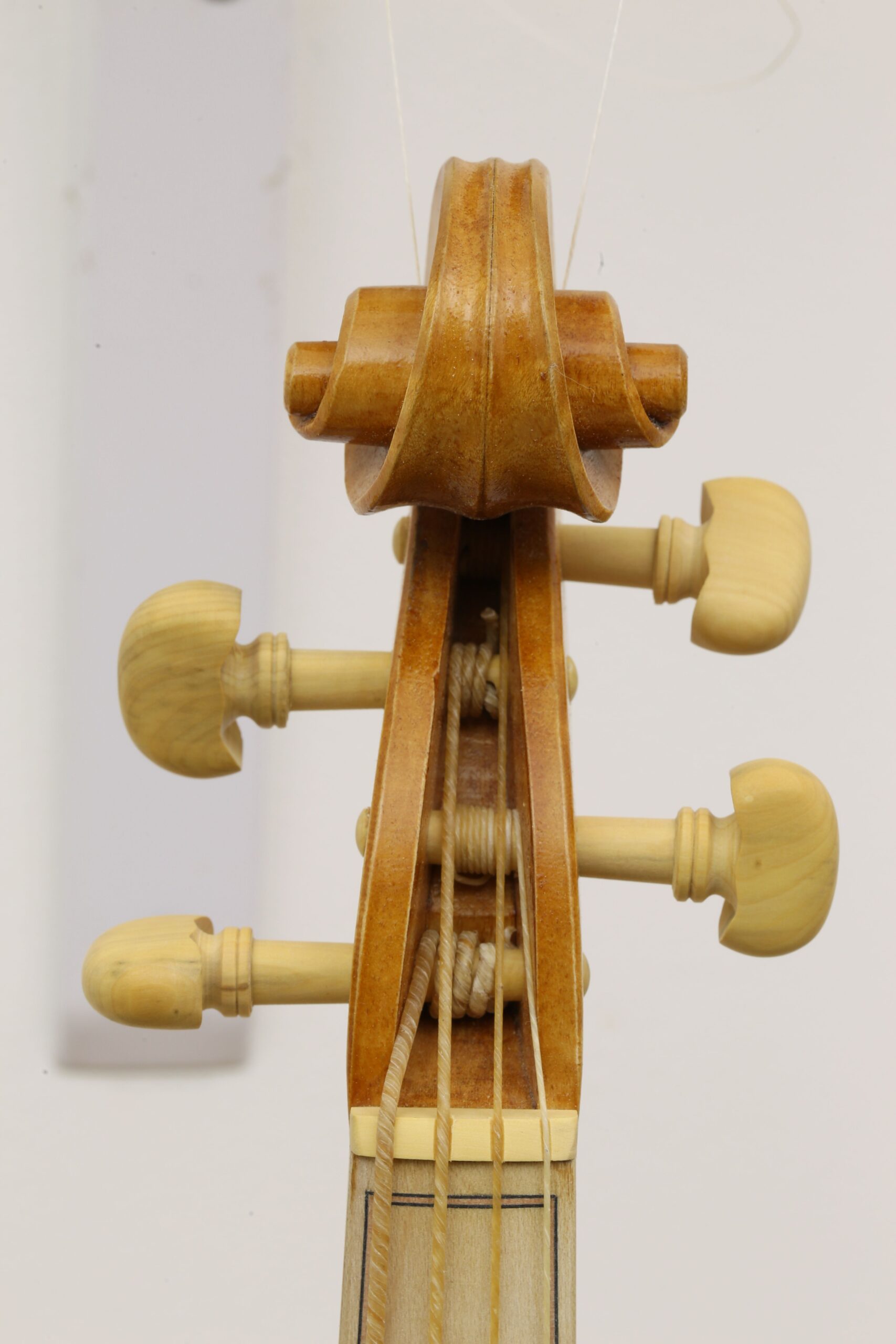
- Nailed neck (authentic baroque construction, not a reconstruction)
- Single nail neck attachment, following historical methods associated with Stainer
- String length: 327 mm
- Back length: 356 mm
- Width: 200 mm
- Weight: approx. 334 grams
The construction reflects a deeper exploration of how arching influences sound and response, resulting in a refined and responsive instrument.
Fingerboard and neck
The short fingerboard is made from spruce veneered with maple, contributing to:
- reduced weight
- increased resonance
- fast and direct response
The fingerboard follows an original Eveldt design, developed specifically for this instrument.
Pegs
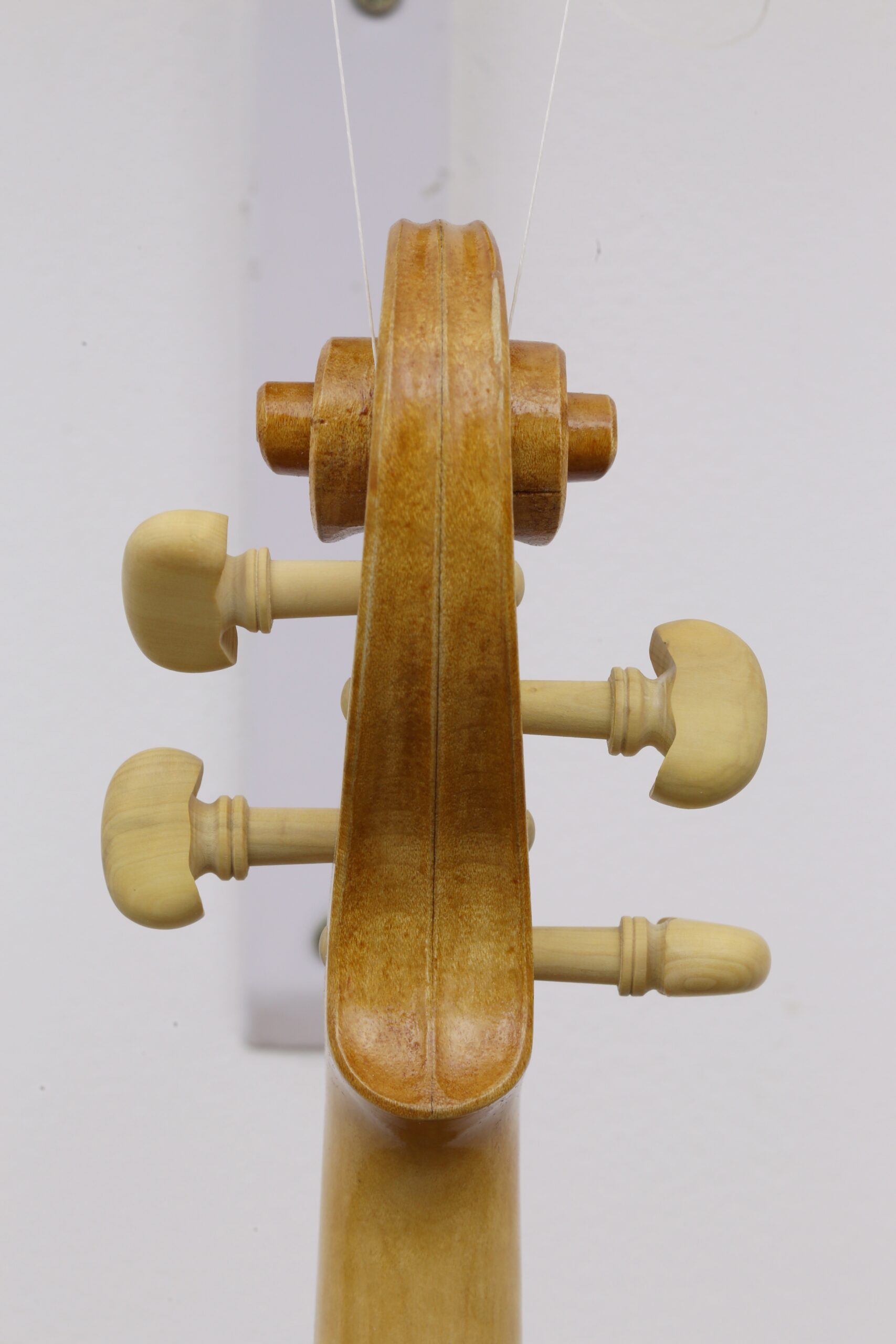
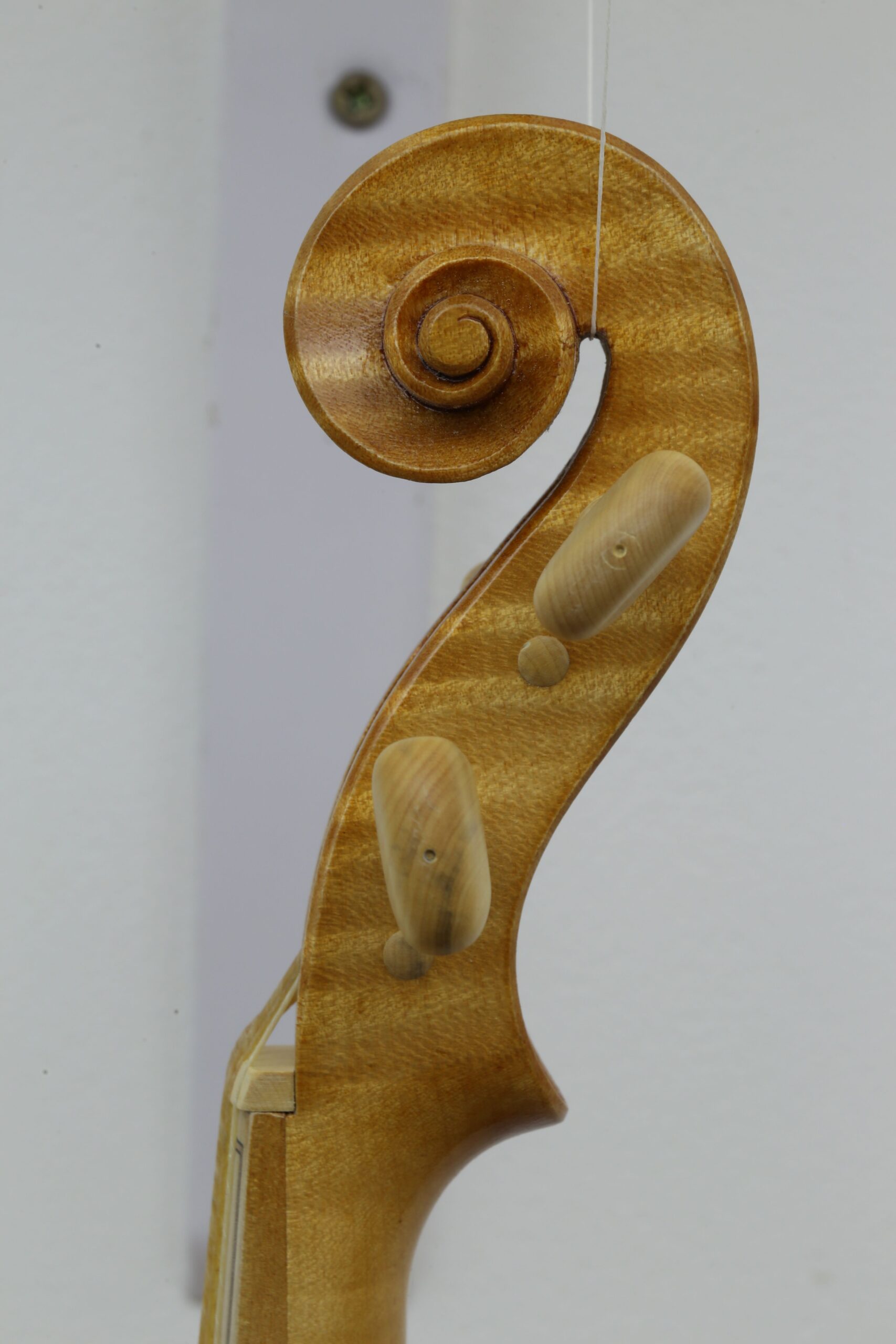
The tuning pegs are fully handcrafted by Elise from French boxwood, based on an original design—offering both functional reliability and visual coherence with the instrument.
Varnish and finish
The violin is finished with an amber oil varnish (fossil resin) in a blonde color.
This varnish:
- enhances the natural appearance of the wood
- supports resonance
- aligns with historical baroque finishing traditions
Setup and sound
- Strings: plain gut (unsplit lamb)
- Bridge: Stradivari style
Sound character
This instrument offers a distinct tonal profile:
- articulate and responsive
- quicker attack
- deep yet refined bass response
- delicate despite its power
The higher arching contributes to a nuanced sound with strong character and flexibility.
Intended for
This violin is particularly suited for:
- orchestral baroque players
- baroque specialists (Historically Informed Performance)
- musicians seeking a responsive instrument with clarity and projection
Craftsmanship and philosophy
This model reflects a deeper understanding of how structural choices—particularly arching—affect sound.
By studying historical examples and applying that knowledge in practice, this instrument represents not only a continuation of tradition, but also a personal interpretation of the Tyrolean style.
As with all instruments, every component is handcrafted, without modern shortcuts, and with full attention to historical construction and tonal outcome.