€ 15.000,00
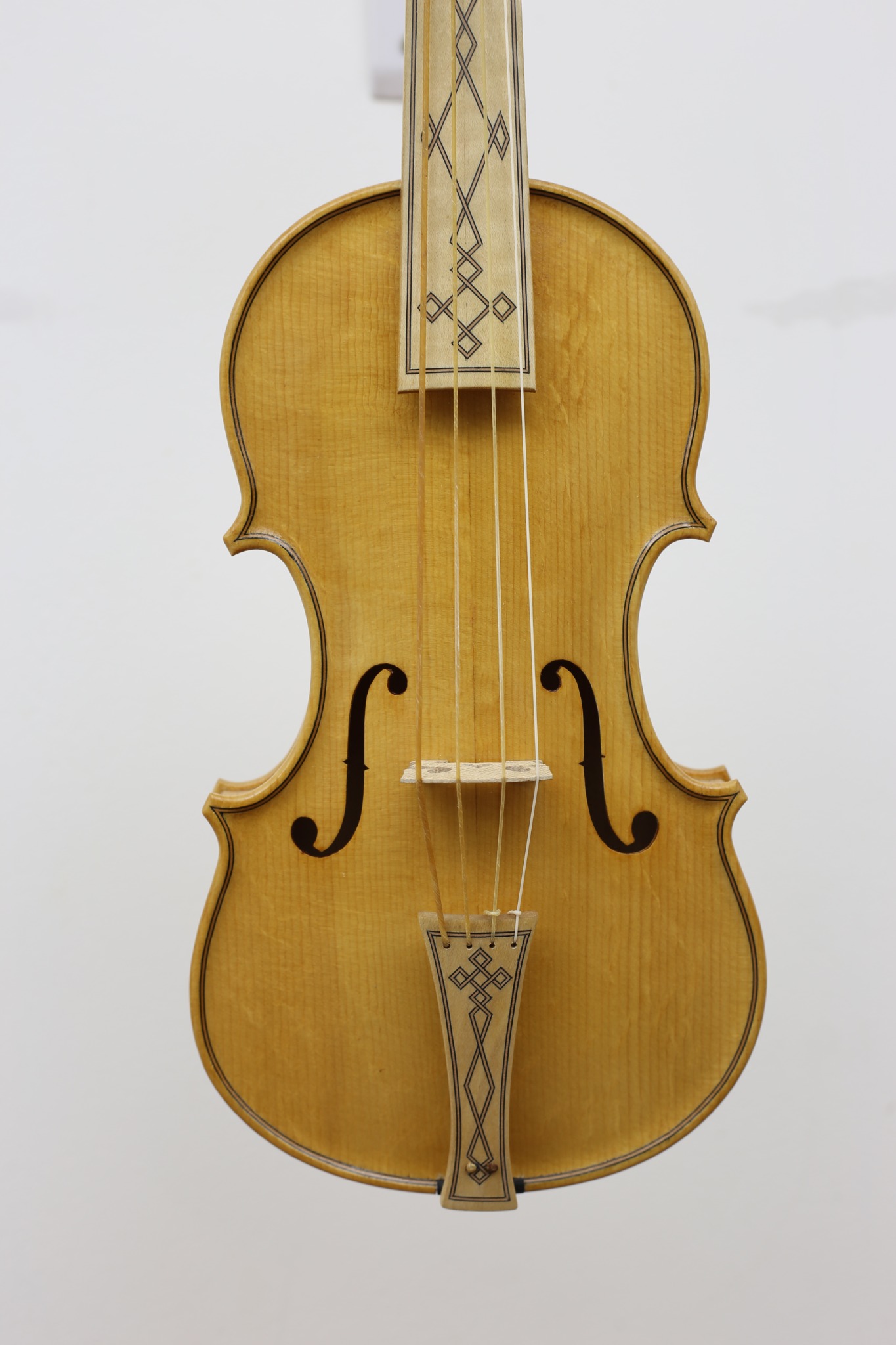
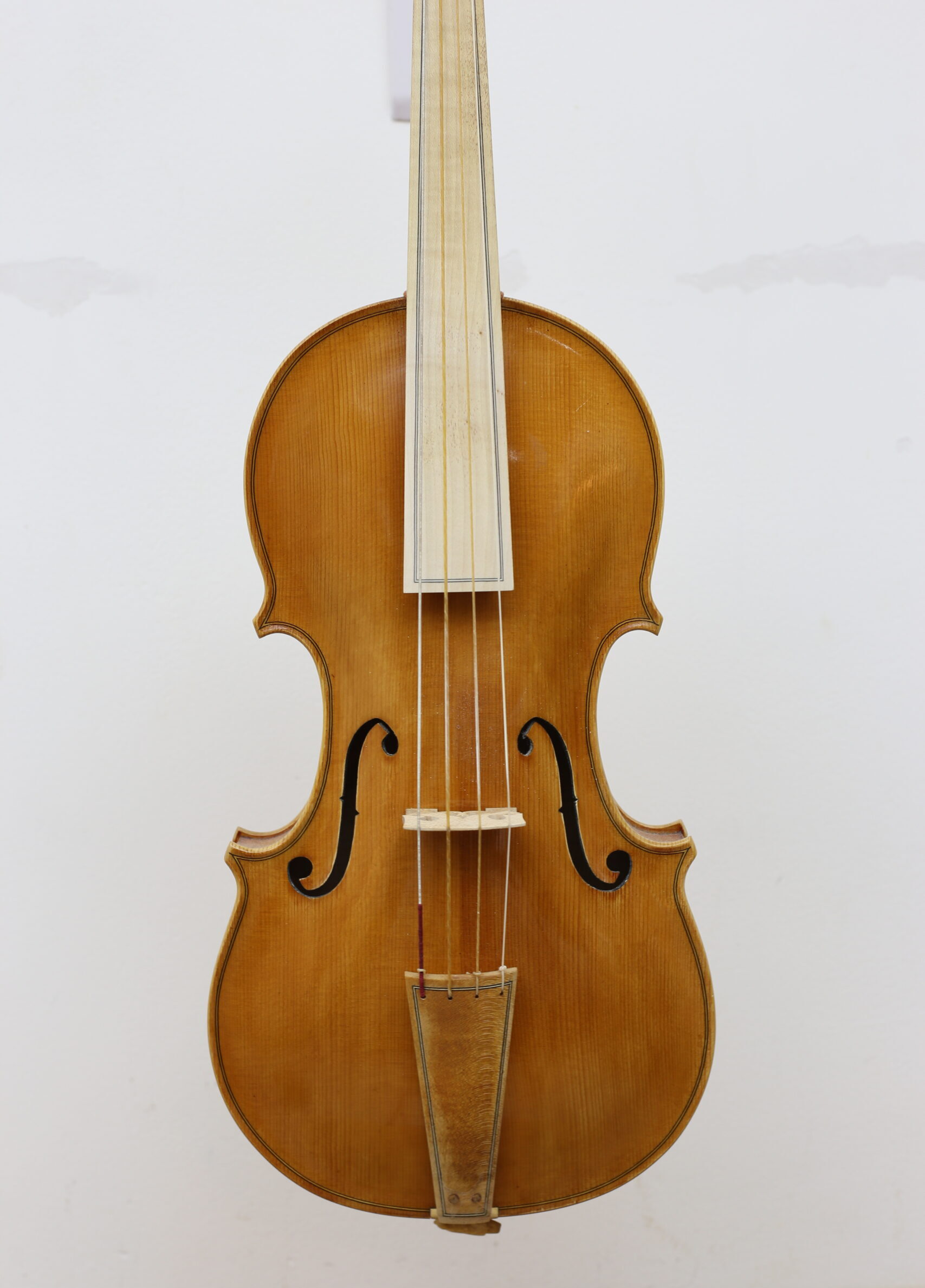
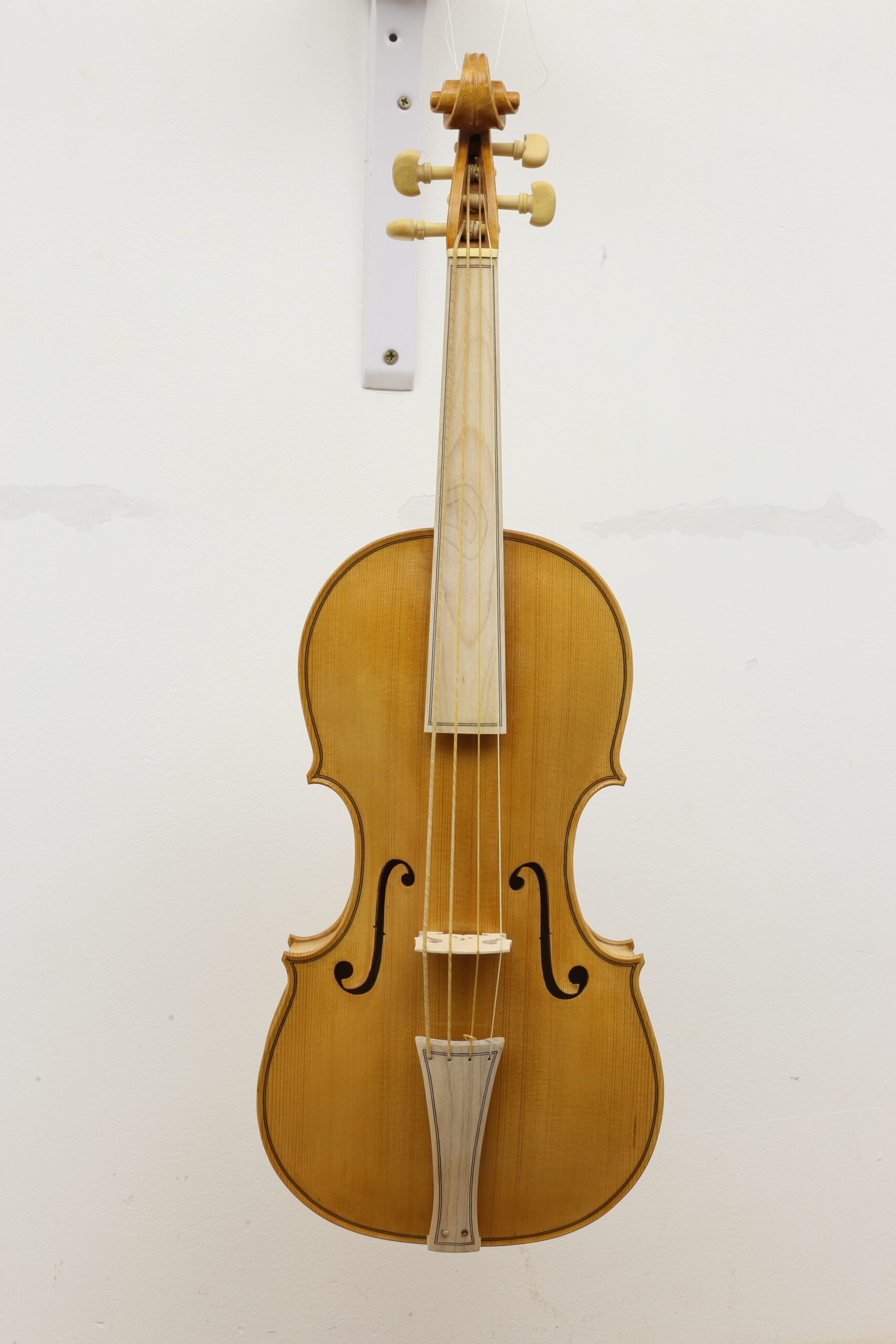
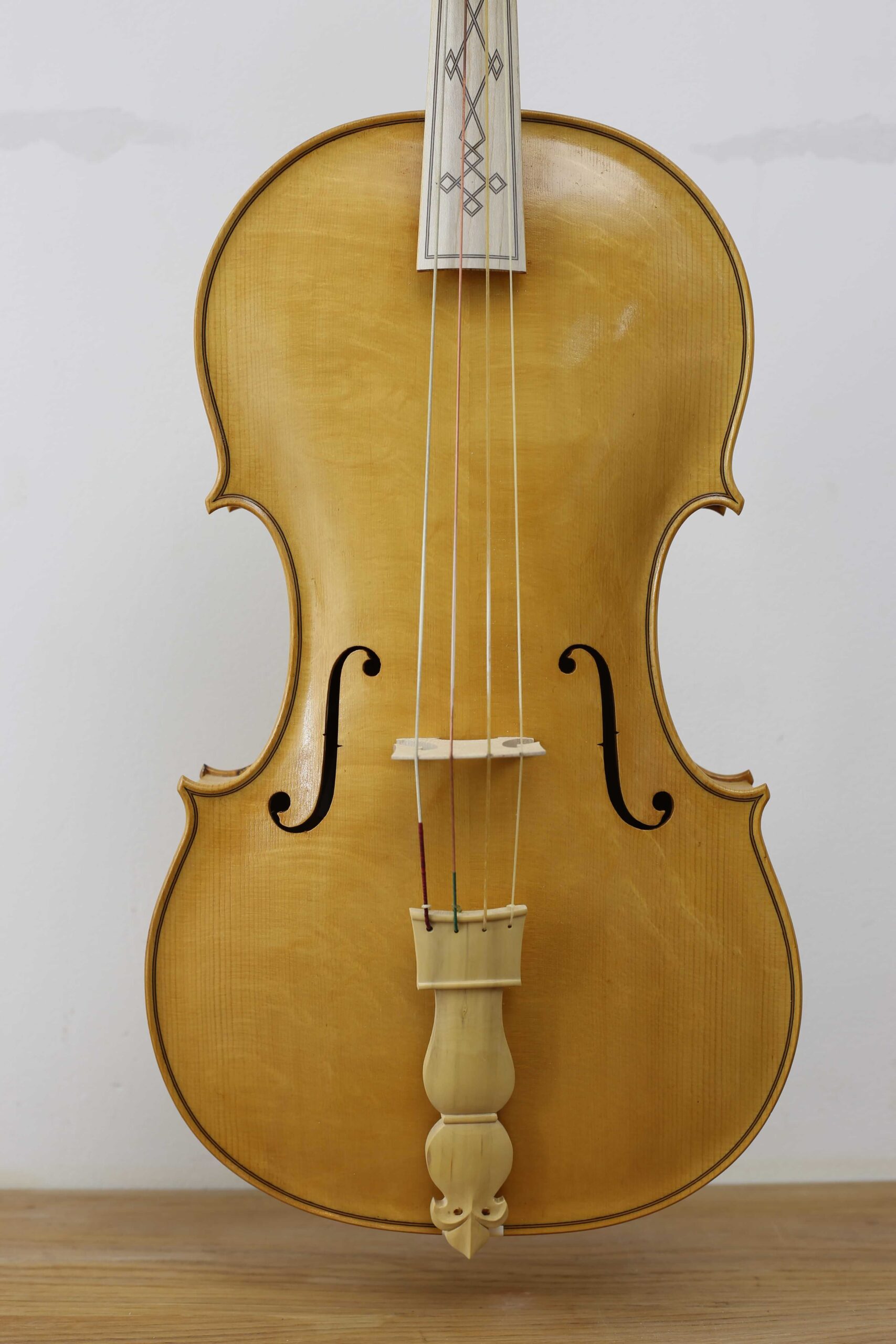
This handcrafted baroque viola is inspired by a rare 17th-century instrument by Jacobus Stainer, based on the original viola currently housed in The Metropolitan Museum of Art, New York.
Rooted in the Tyrolean tradition, this instrument respects the historical model while incorporating original design choices developed through careful study and practical experience.
This model is based on a Jacobus Stainer viola dating from around 1660, built in Absam, Tyrol.
Unlike many surviving violas from the Baroque period, this instrument was never reduced in size—a common practice in later centuries to suit changing musical tastes. As a result, it preserves its original proportions and offers a rare insight into the sound world of the seventeenth century.
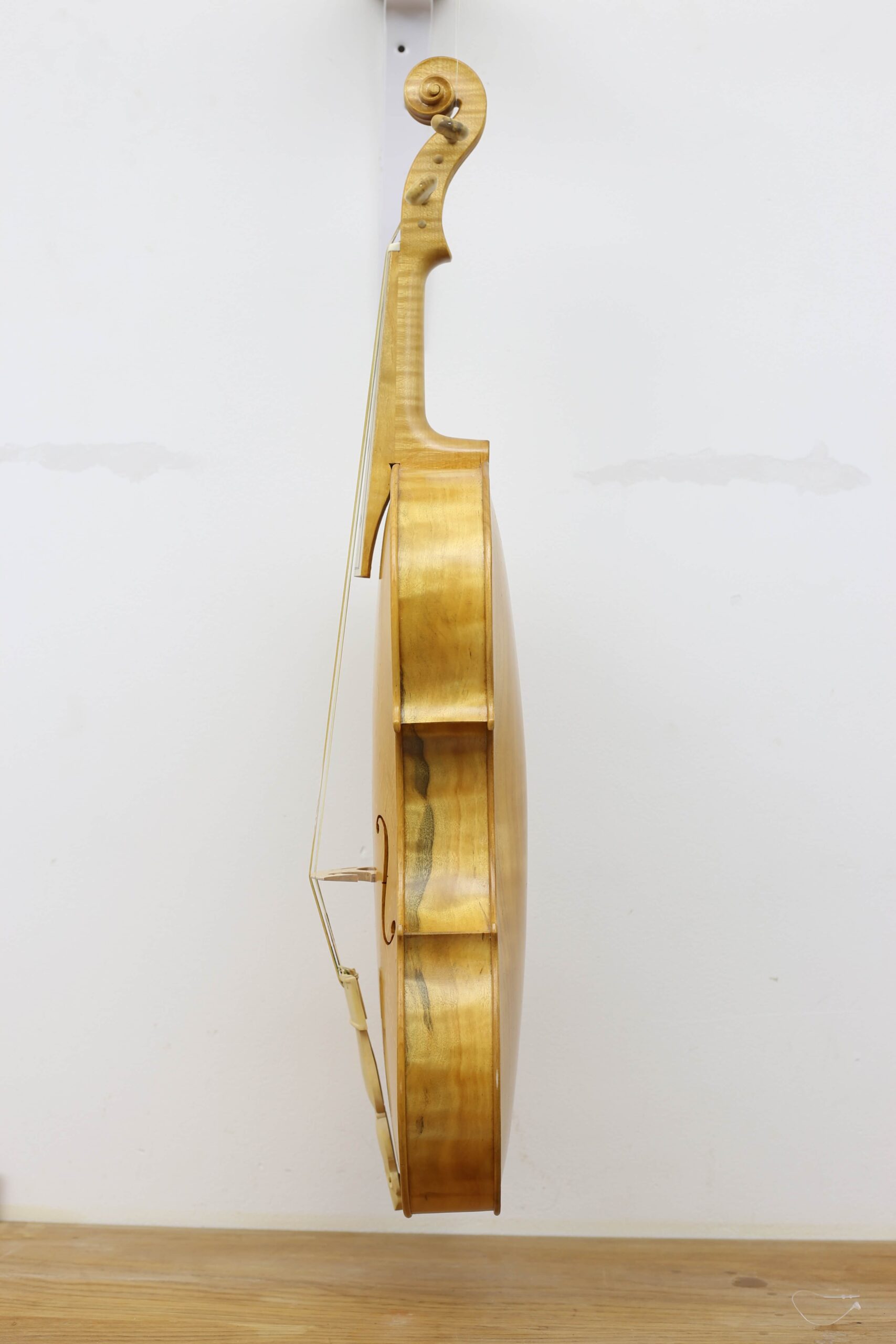
Several historical characteristics have been intentionally retained, including the deep ribs and generously proportioned body, features that contribute significantly to the instrument’s tonal character.
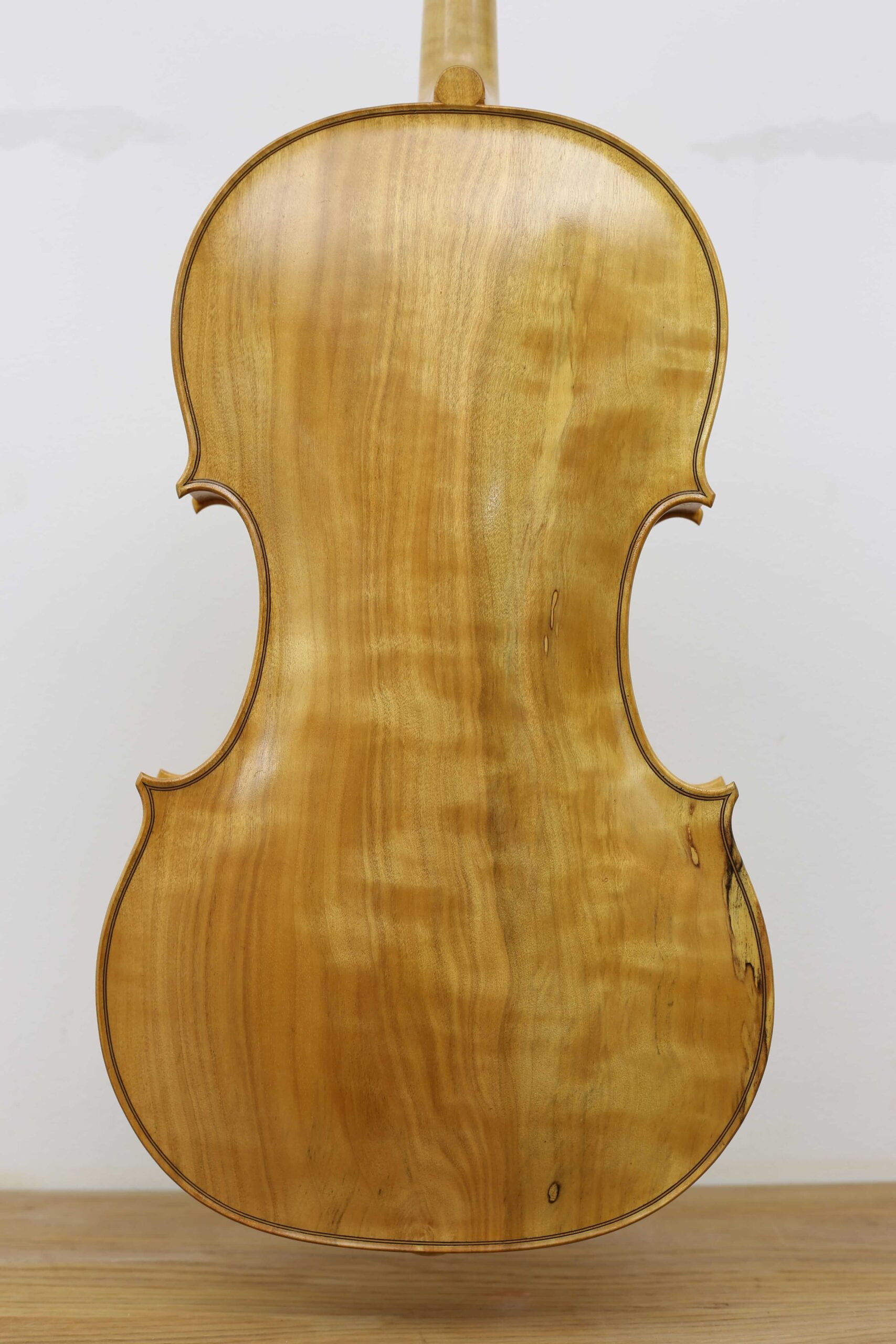
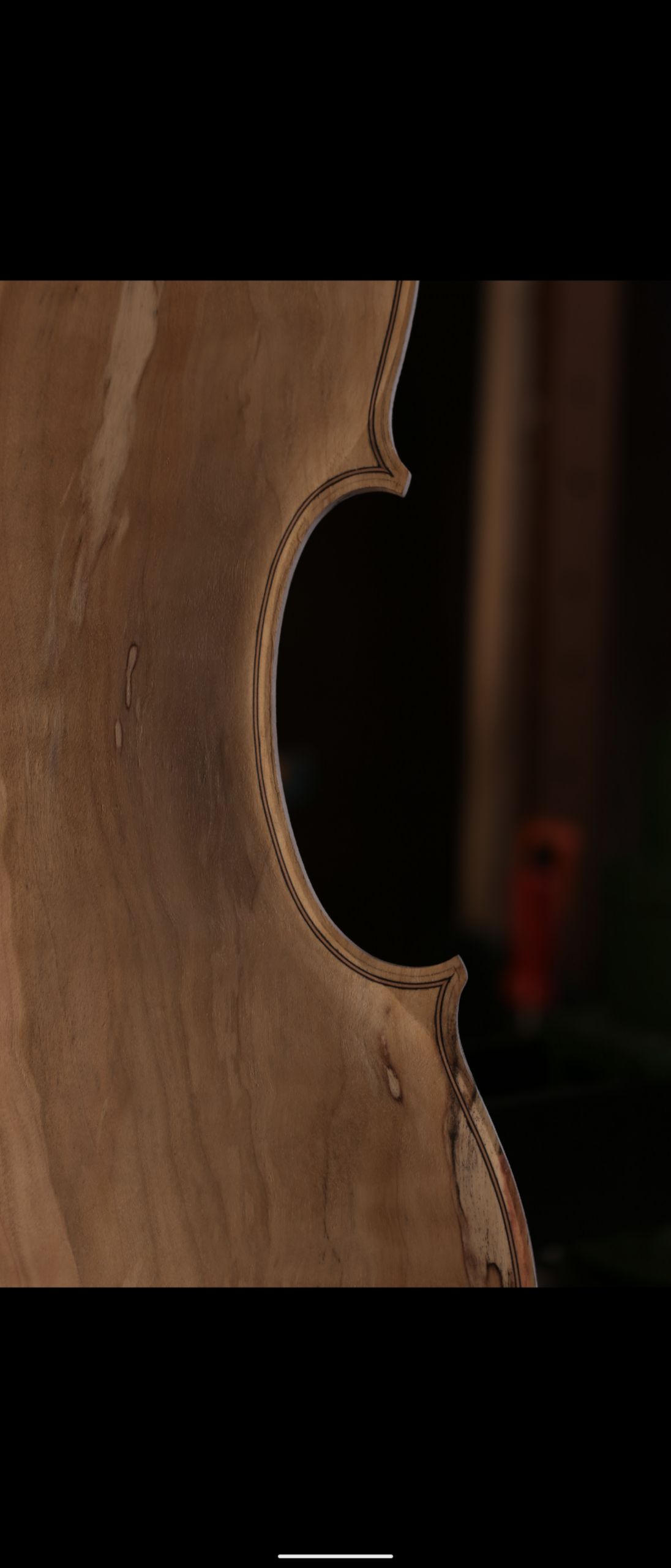
The back plate tells its own story. It is made from maple salvaged from a fallen tree by a local furniture maker in Purmerend. Having remained outdoors for some time before being processed, the wood developed distinctive natural mineral deposits, giving it a unique visual appearance.
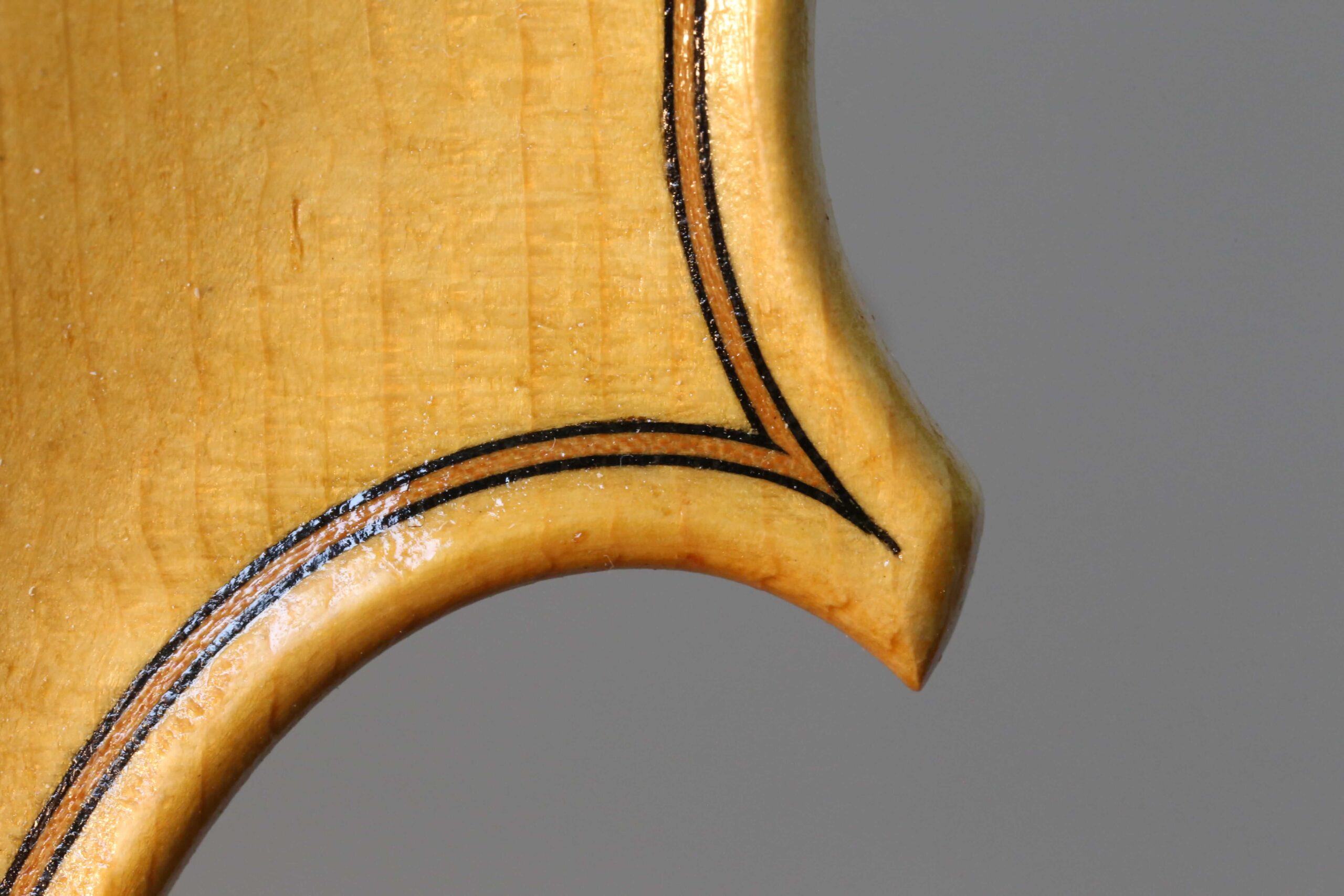
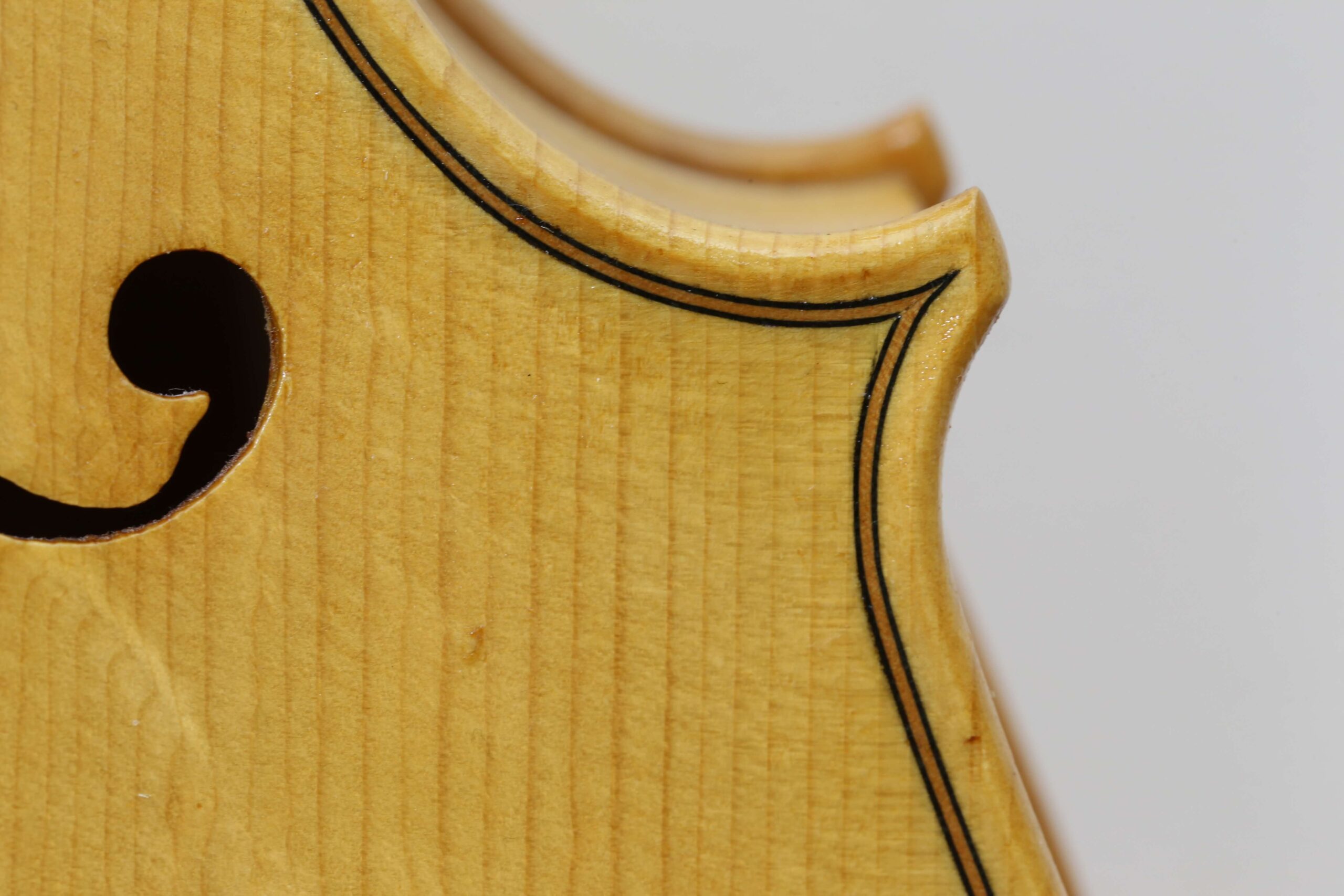
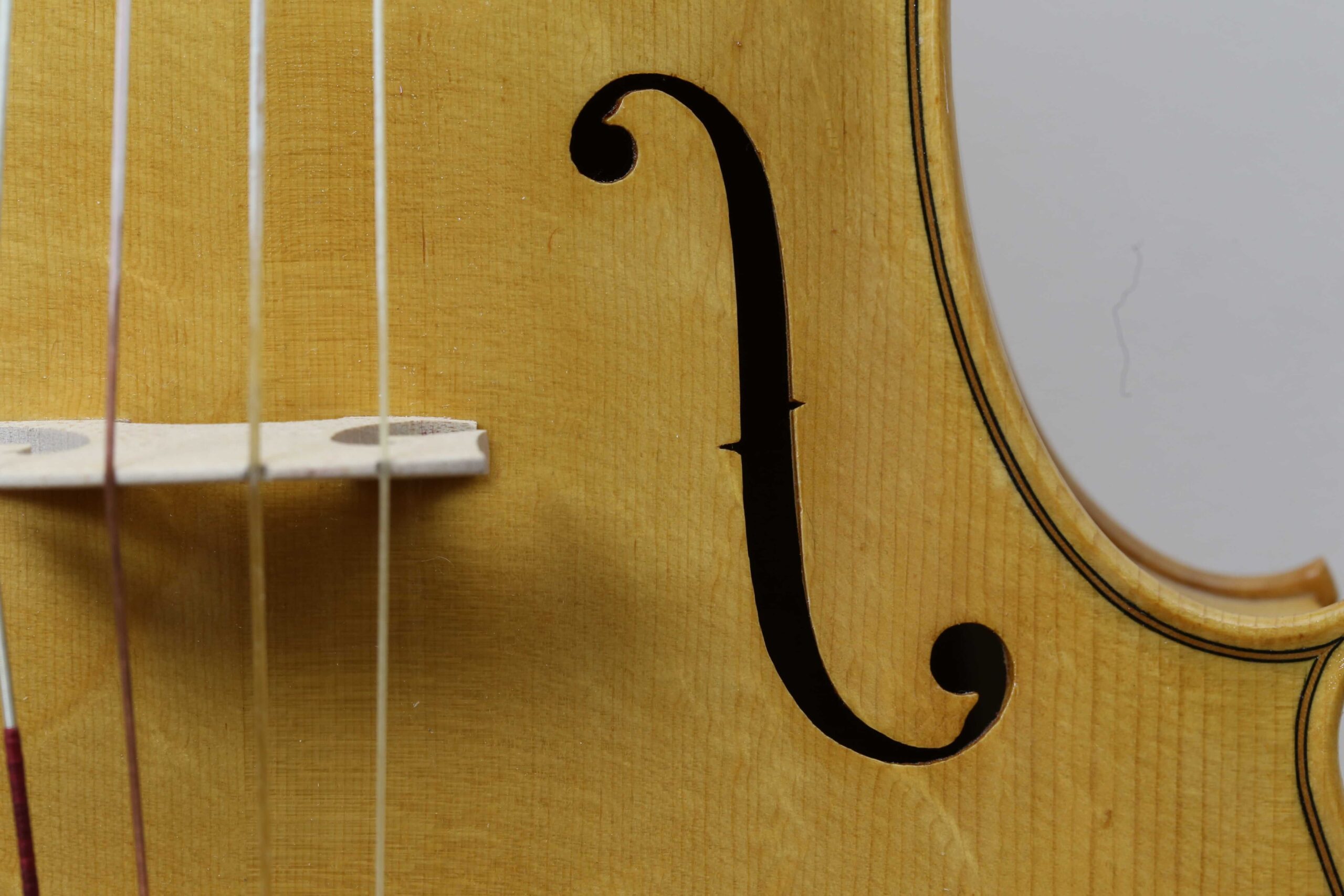
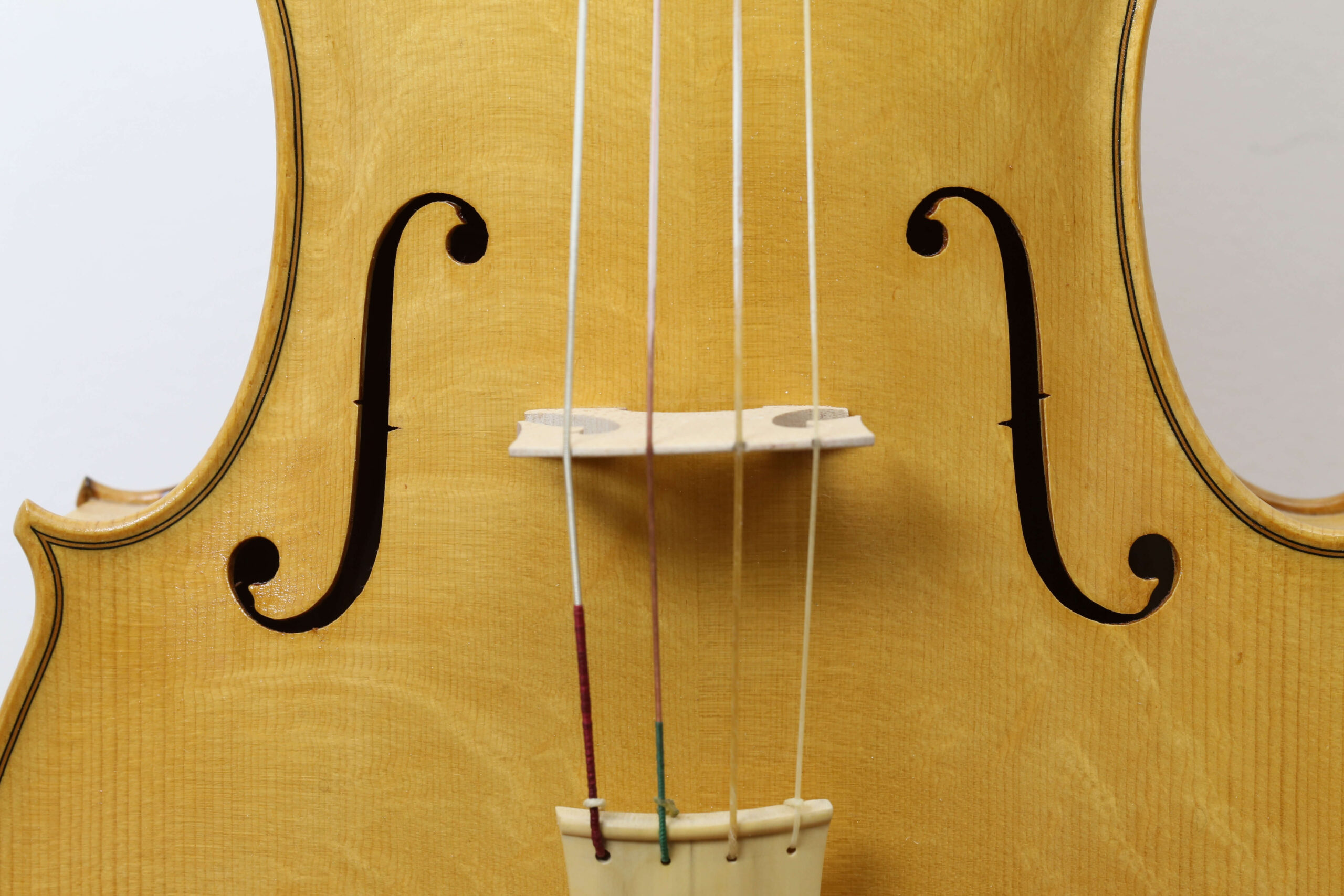
While the overall instrument follows historical principles, the f-holes are an original Eveldt design, subtly incorporating the silhouette of small bird heads—a discreet signature that reflects the identity of the workshop.
This viola is entirely handmade using traditional baroque techniques, without modern concessions.
Every aspect of the construction follows historical principles while remaining focused on tonal performance and structural integrity.
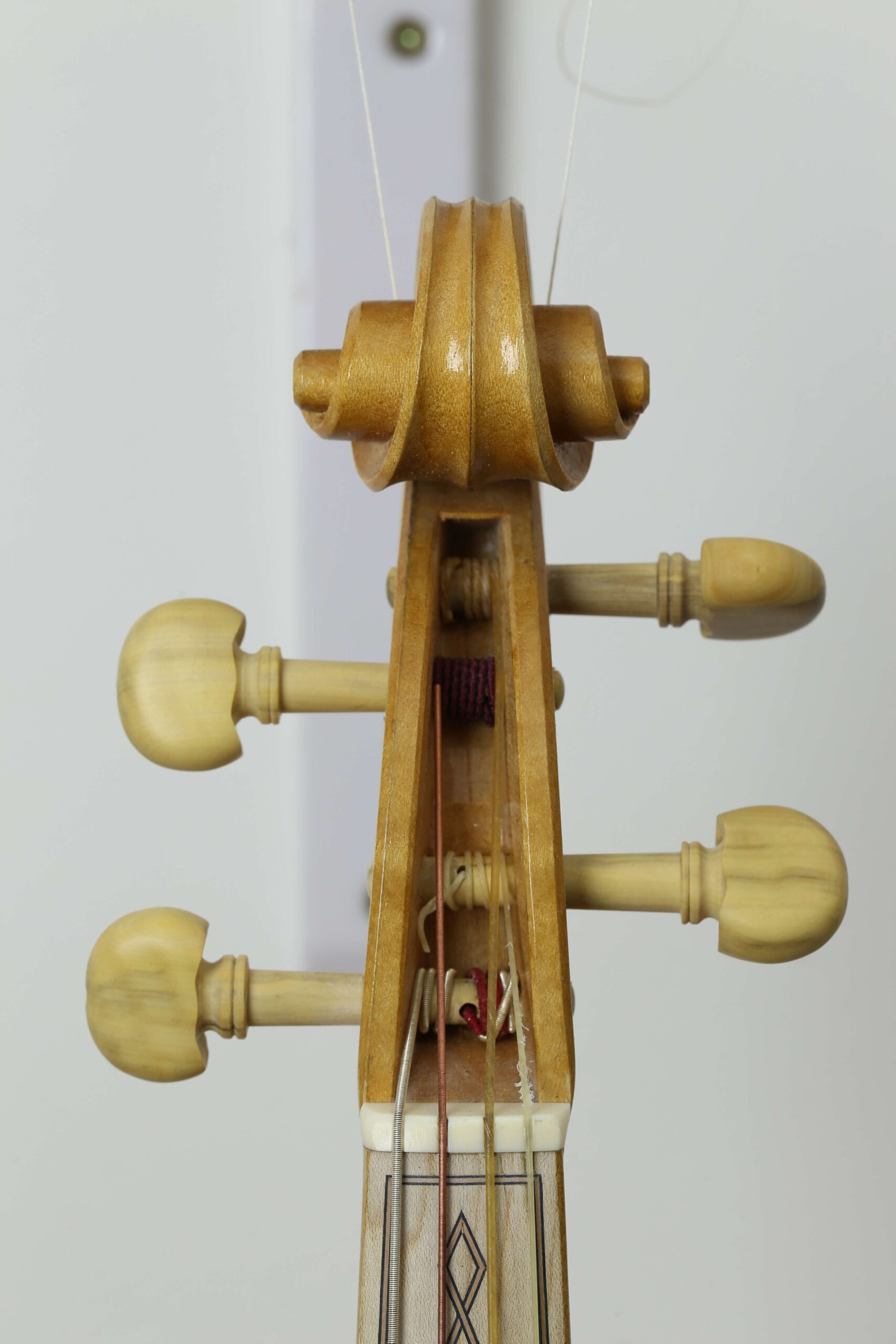
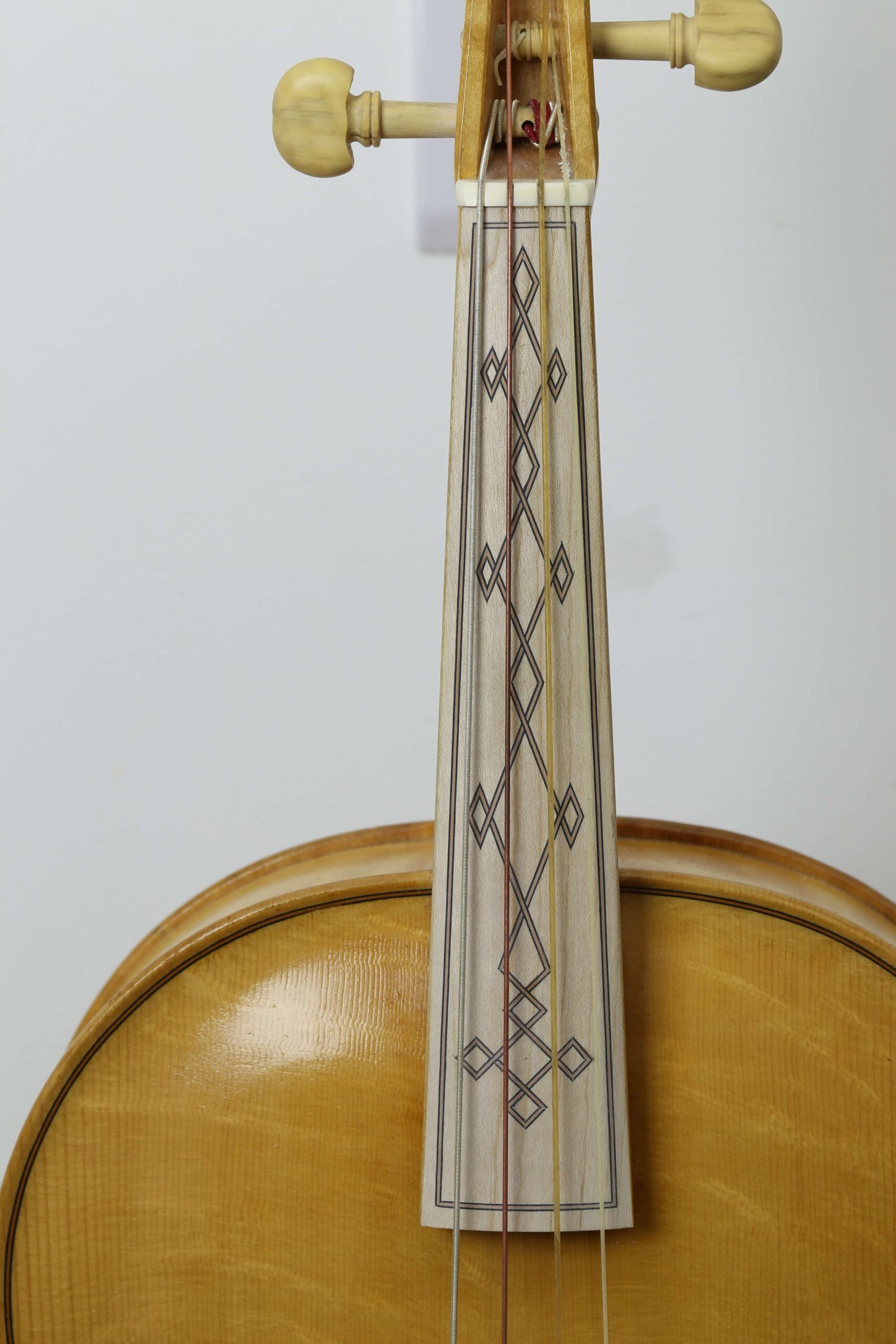
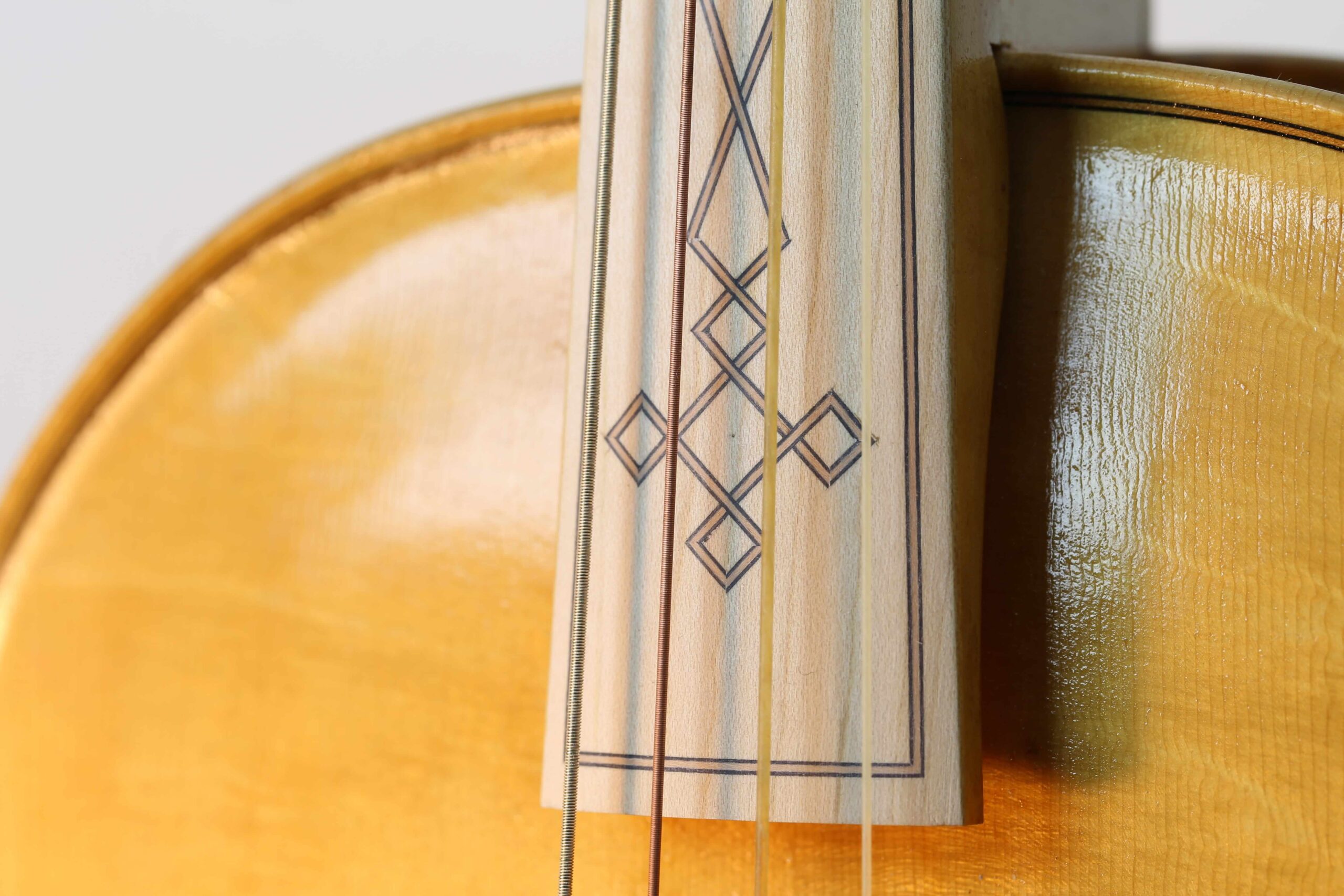
The fingerboard is made from fine spruce veneered with maple, following traditional baroque practice.
This construction provides:
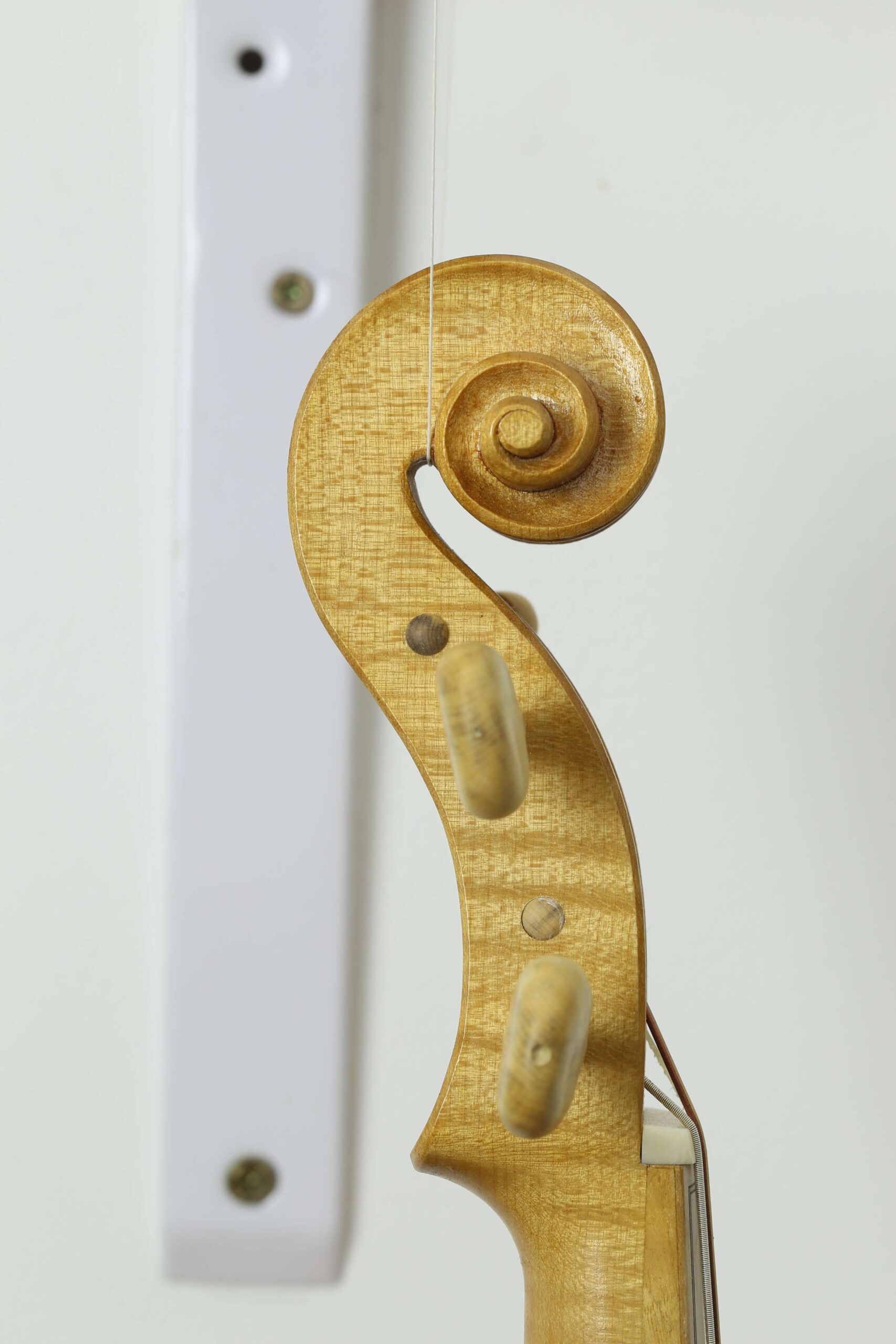
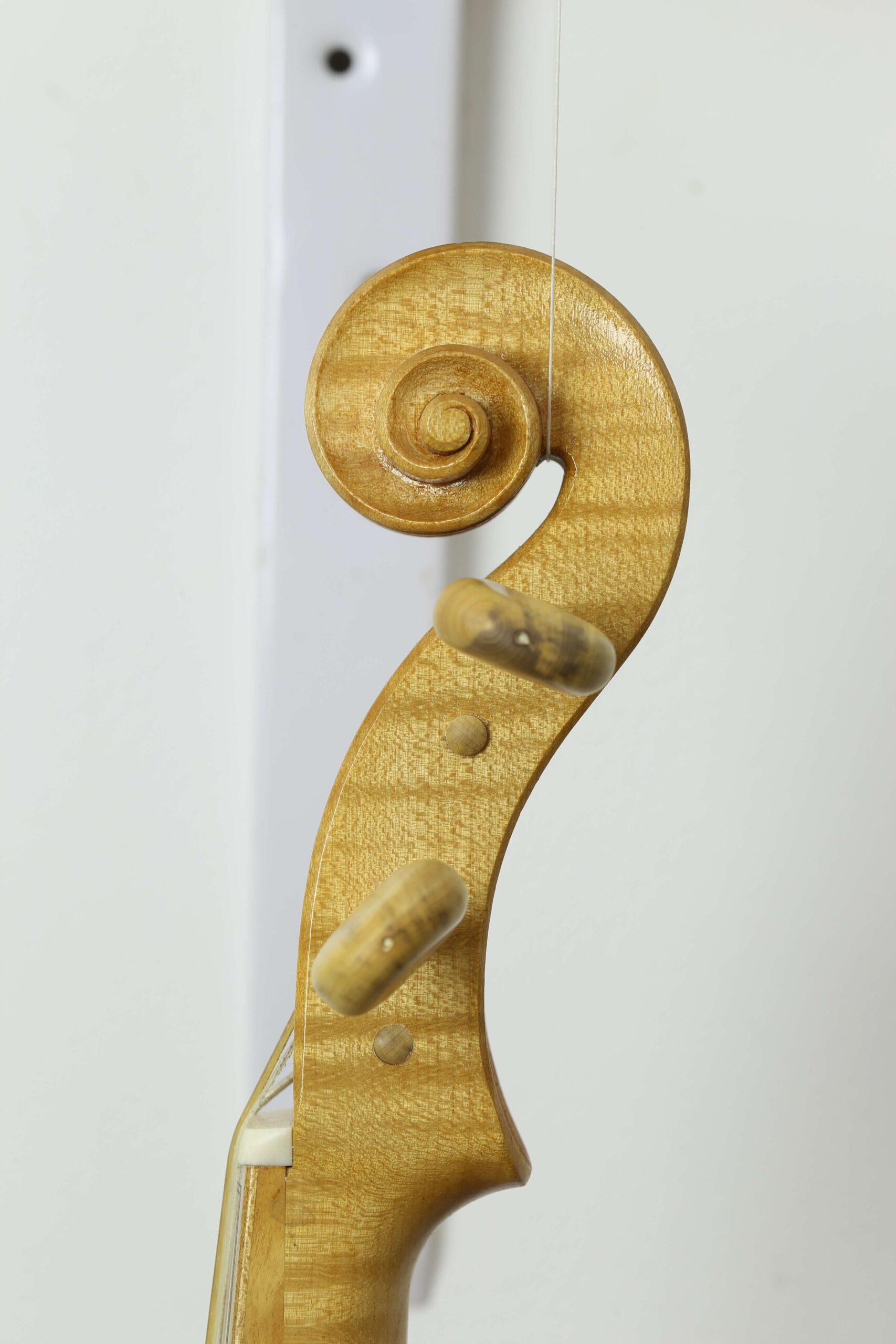
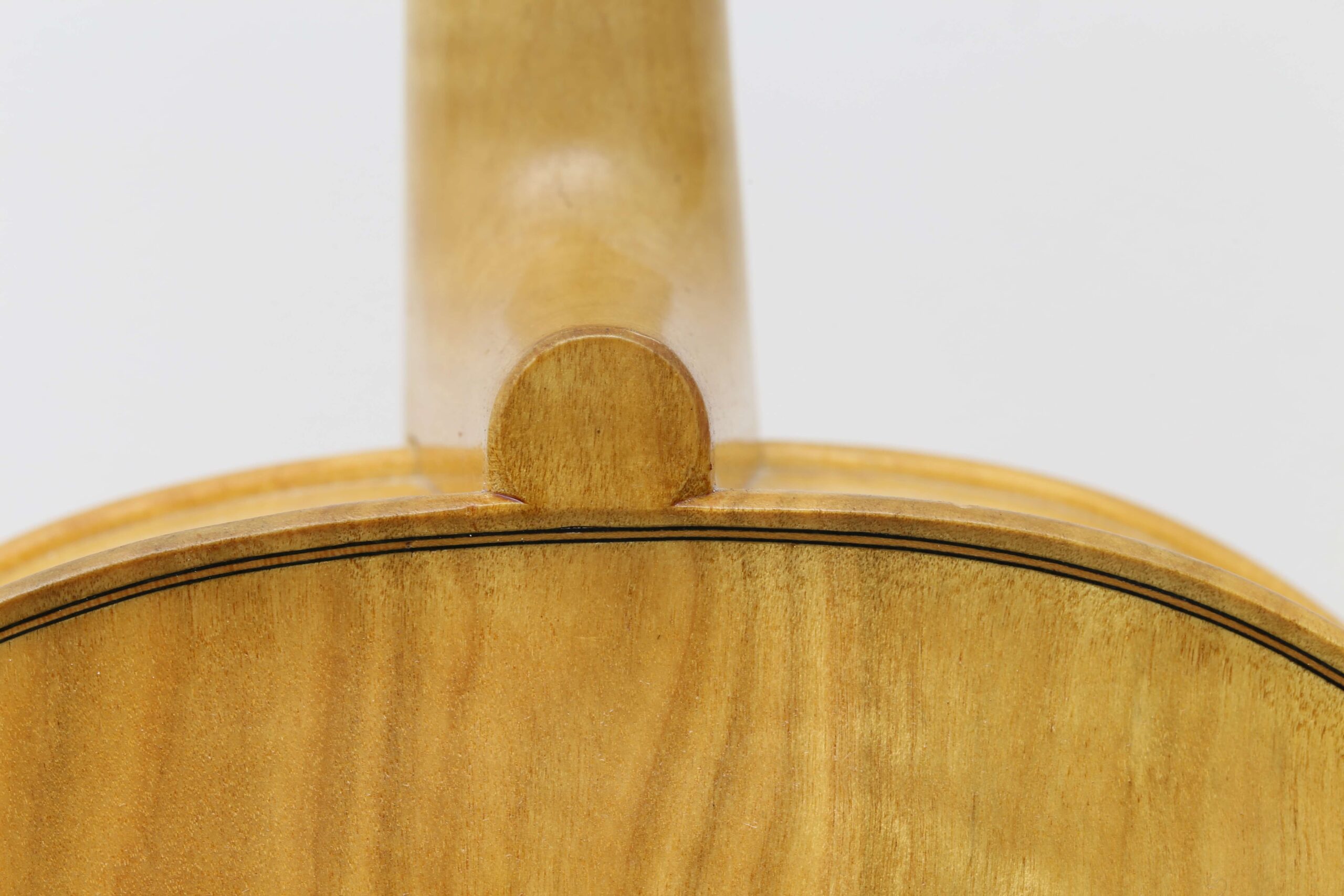
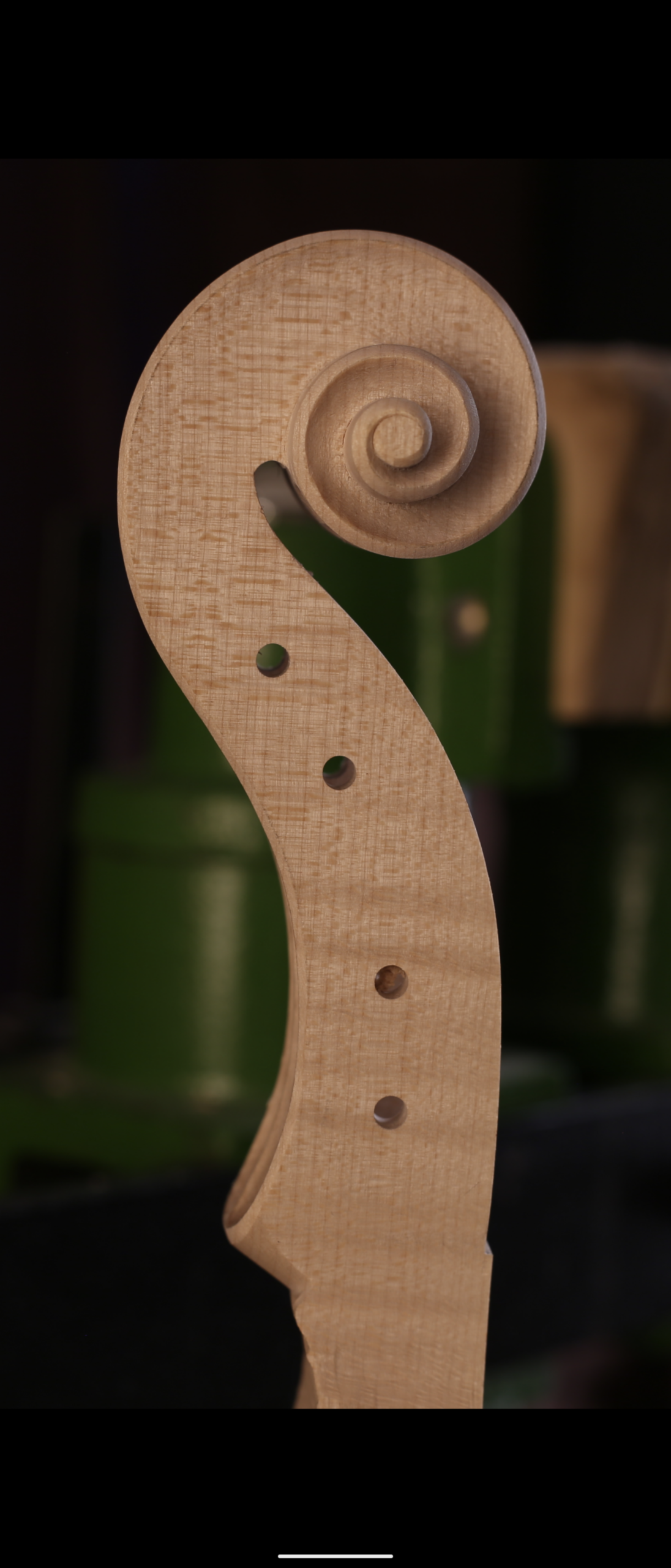
The neck is shaped after a 1679 Jacobus Stainer violin, resulting in a relatively compact profile that makes the viola surprisingly comfortable to play, despite its generous dimensions.
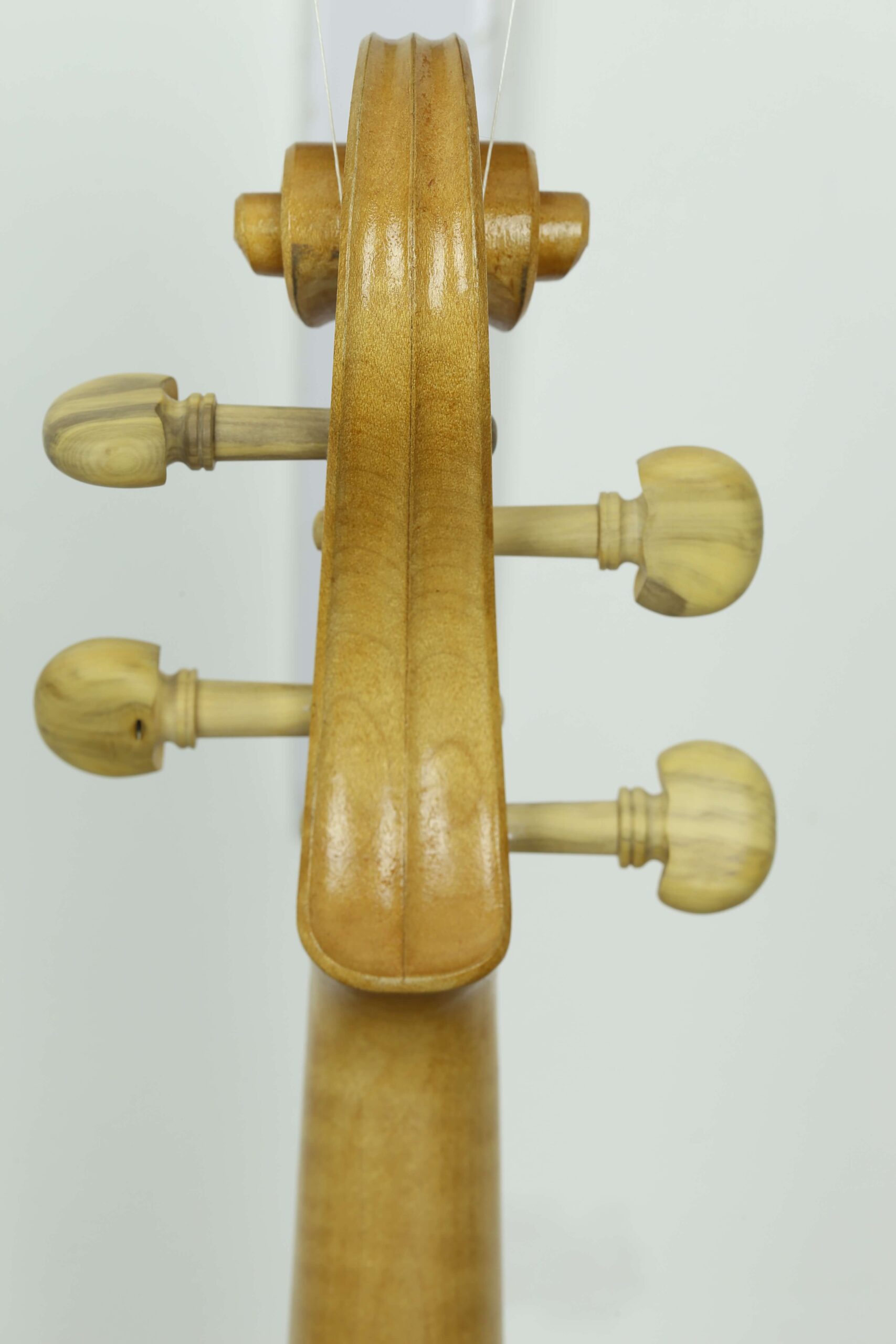
The tuning pegs are fully handcrafted by Elise from French boxwood, based on an original design and finished to complement the instrument’s historical appearance.
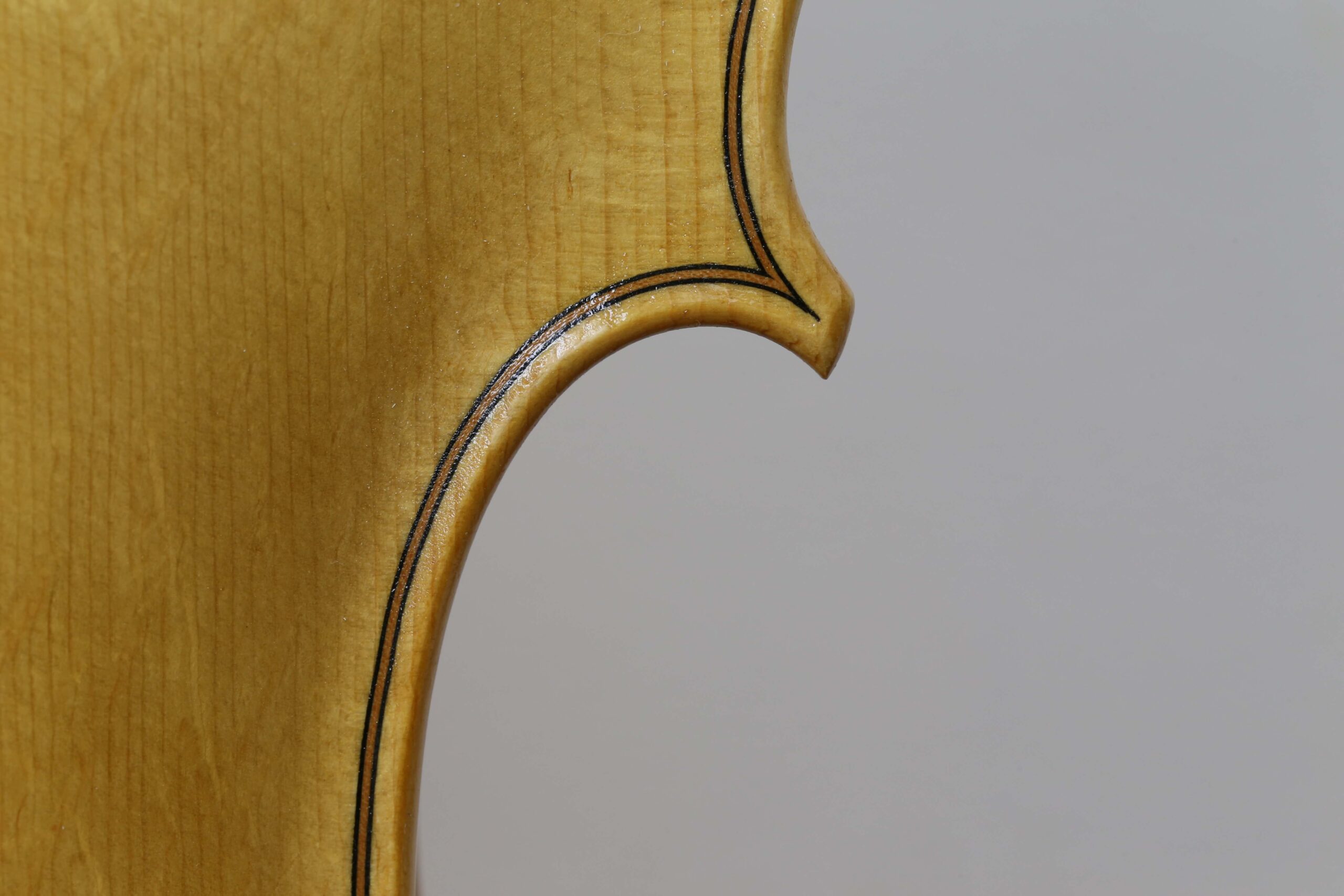
The viola is finished with an amber oil varnish (fossil resin) in a blonde colour.
This varnish:
This viola produces a broad, supportive voice with remarkable depth.
Its sound is characterised by:
The unusually deep body produces a tonal quality that is often reminiscent of a small cello, giving the instrument an unmistakable presence without overwhelming the ensemble.
This instrument is particularly suited for:
It is especially appropriate for musicians working in ensembles where historical authenticity is of the highest importance.
Large original baroque violas of this size are rarely built today. The limited demand often leads makers to choose more practical dimensions, but this instrument deliberately follows a different path.
The back arching is an original Eveldt design, developed to work in harmony with the exceptionally deep ribs. Together they create a remarkably large internal air volume, giving the instrument much of its distinctive tonal depth.
Another deliberate choice was the selection of the wood itself. Rather than avoiding visible imperfections, I chose to incorporate the areas where nature had left its mark. For me, beauty does not arise solely from flawless material, but from the craftsmanship that reveals its potential.
This instrument reflects a belief that historical violin making should preserve tradition while remaining confident enough to explore and interpret it.