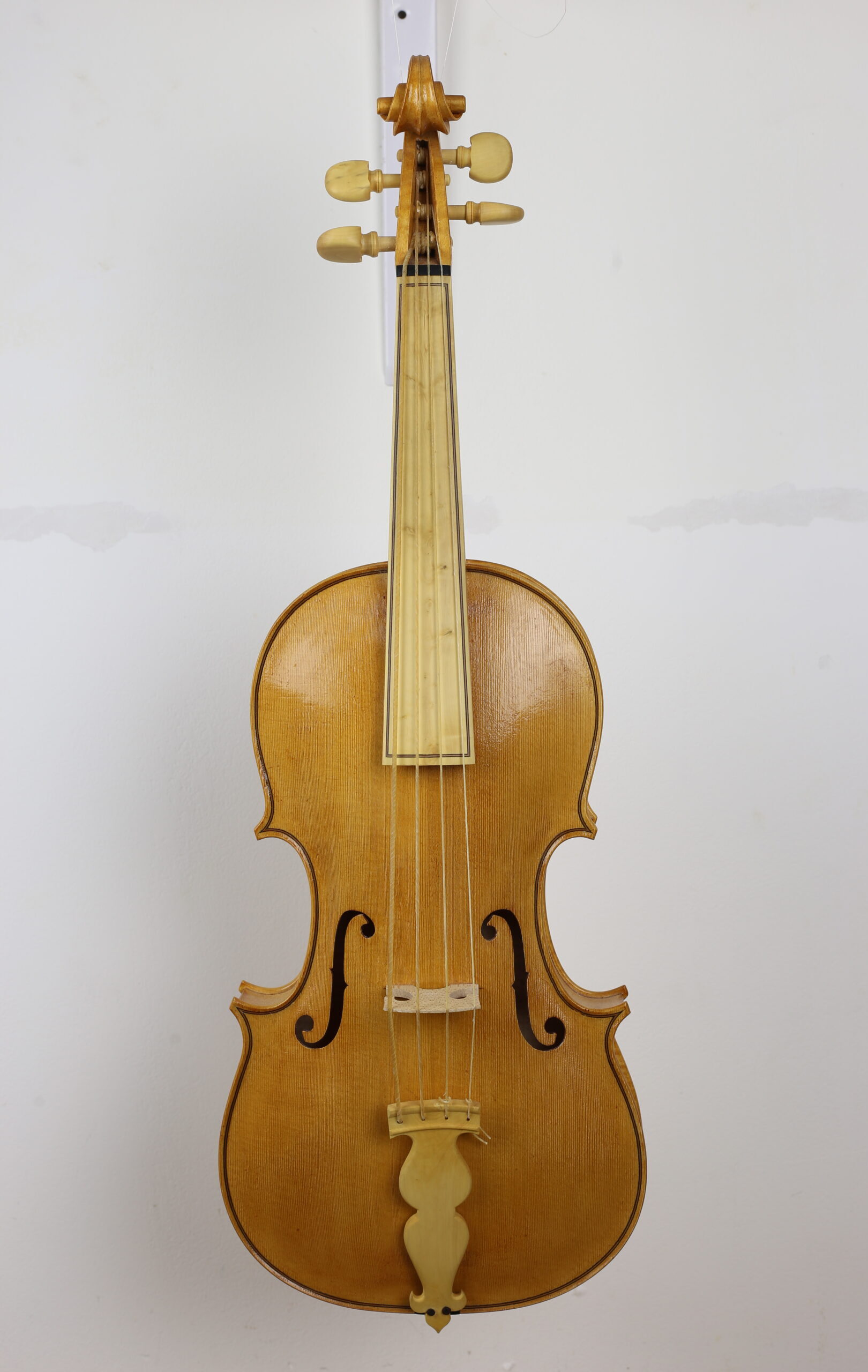
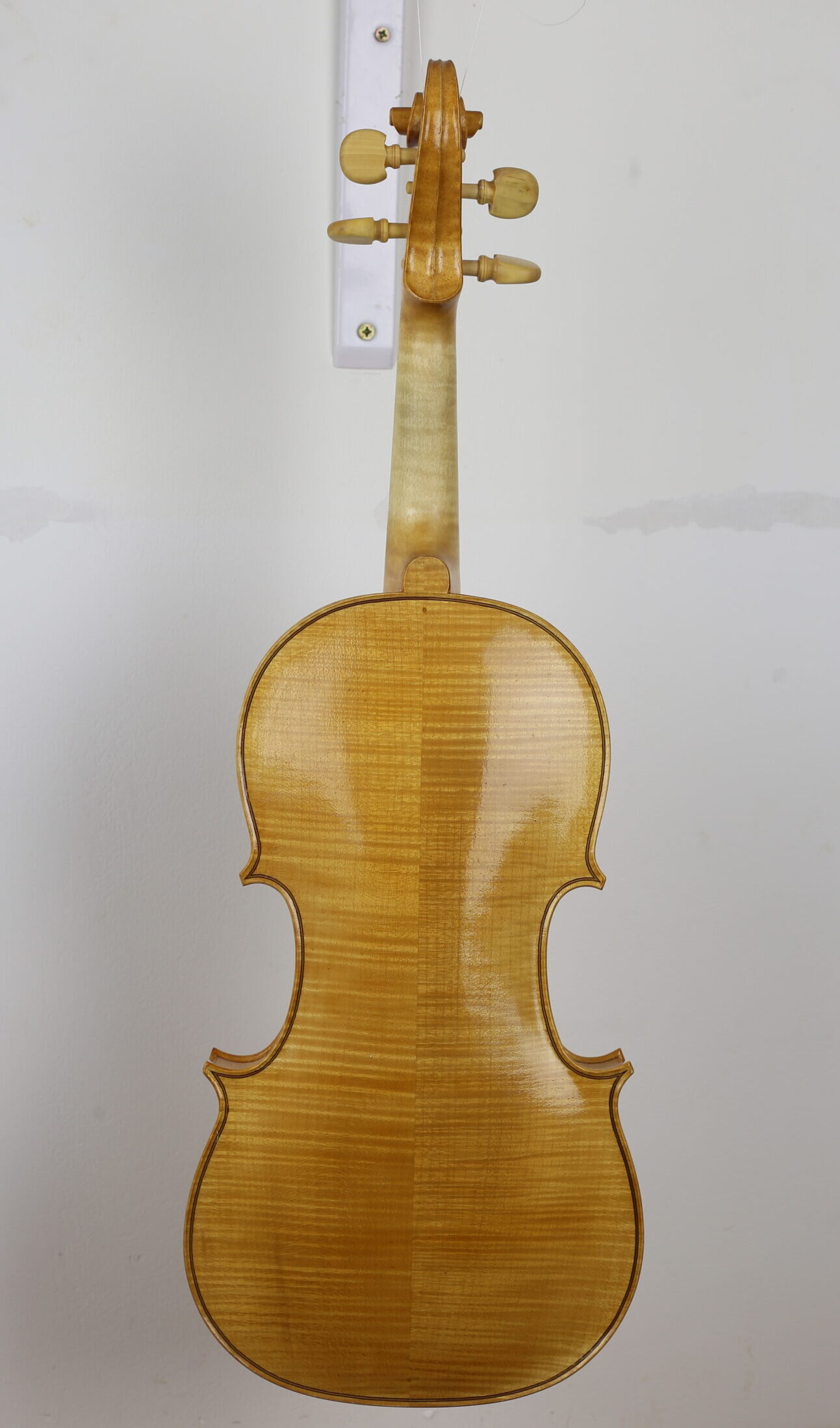
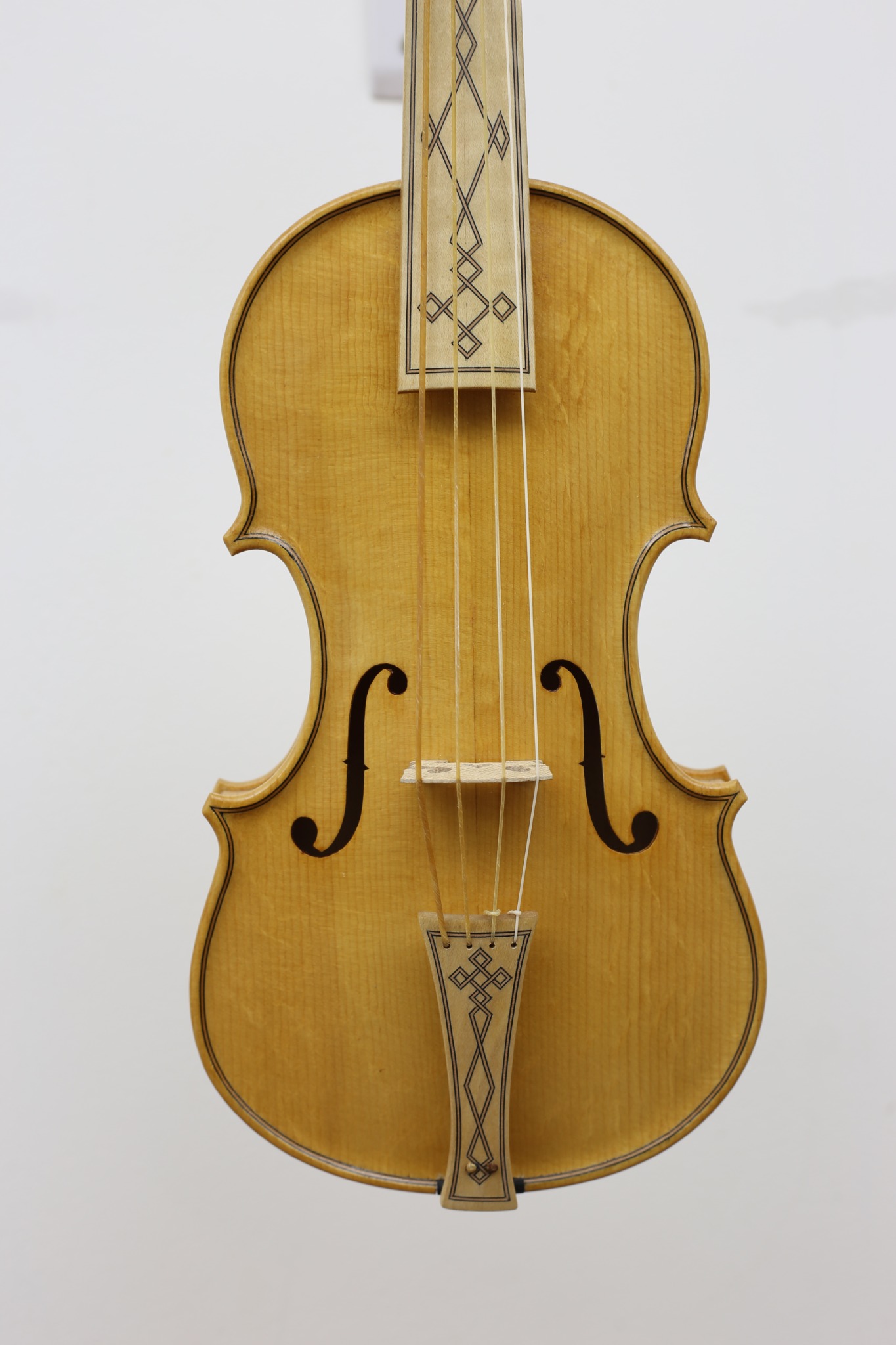
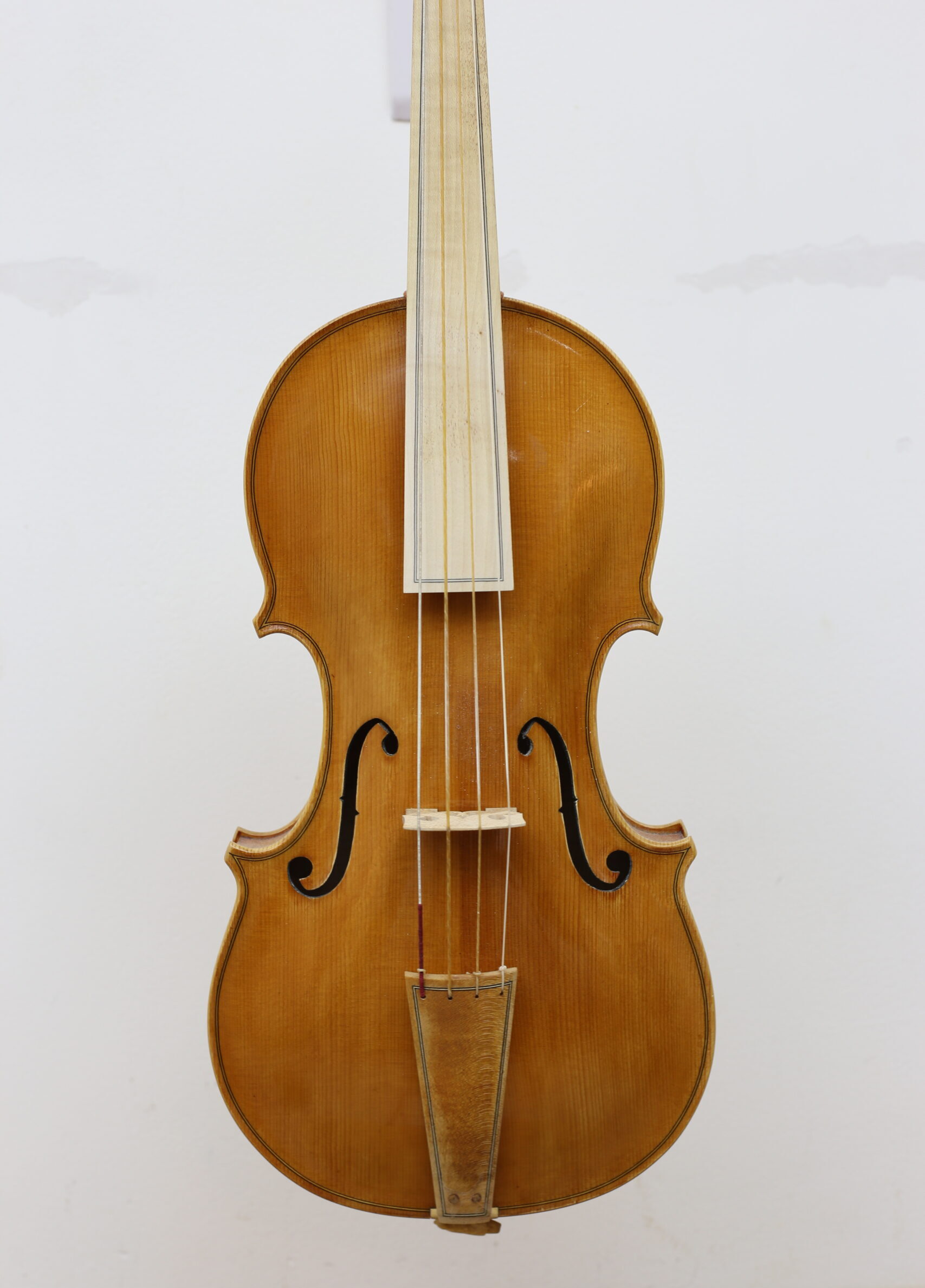
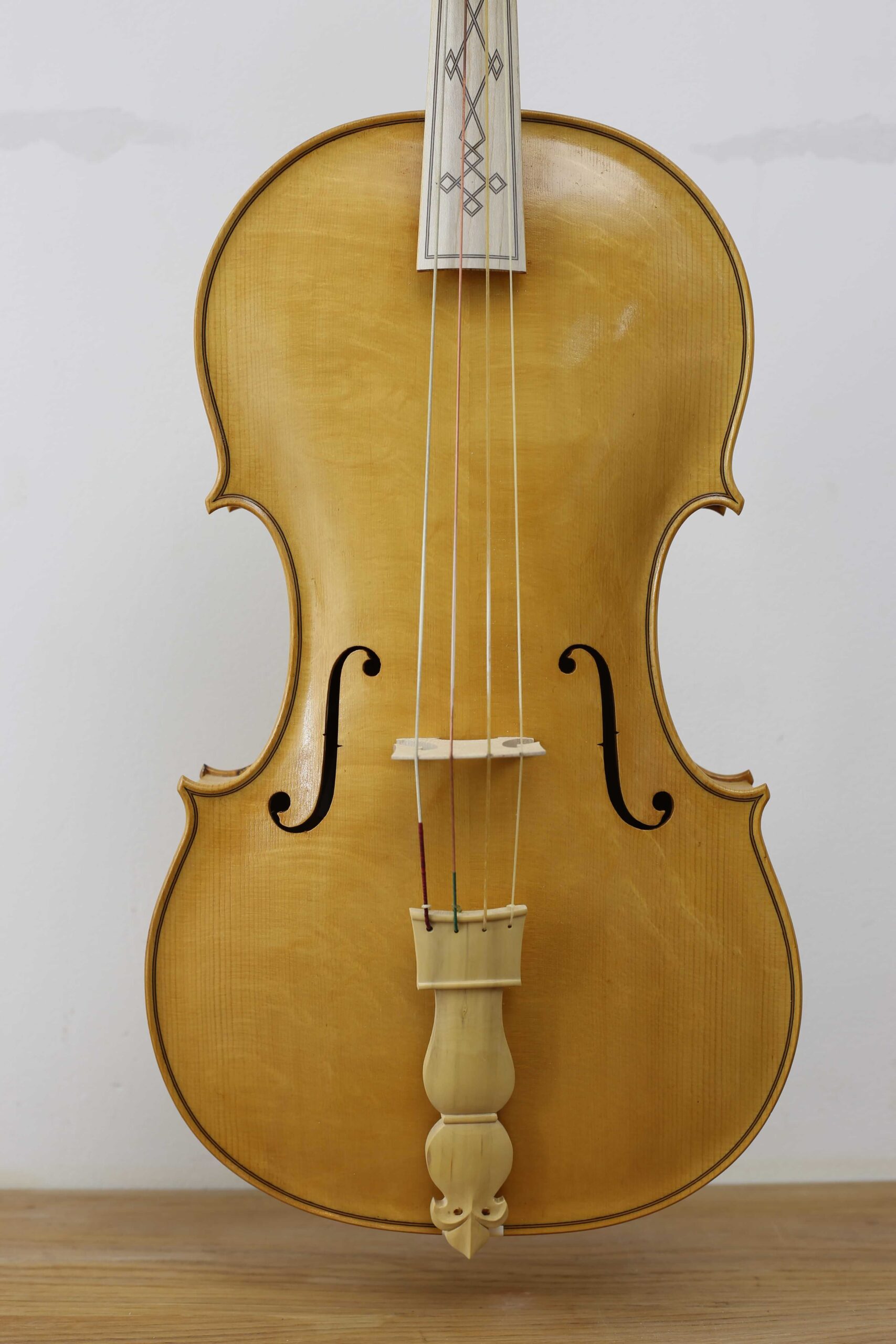
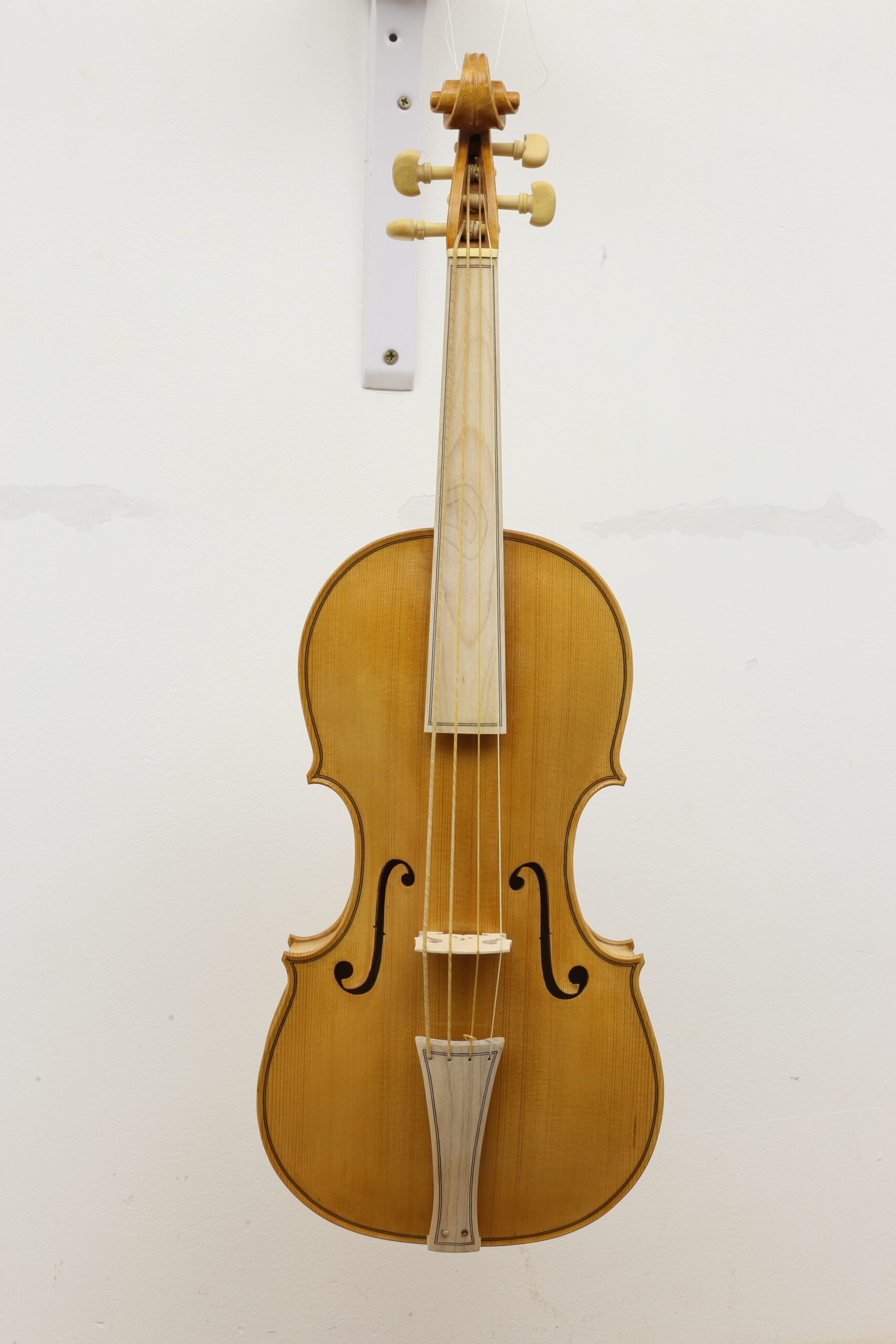
This handcrafted baroque violin builds upon the foundation of the earlier Tyrolean model, further refined through experience and deeper study of historical sources.
Inspired by the work of Jacobus Stainer and the Tyrolean tradition, this instrument moves closer toward a historically grounded interpretation, both in construction and visual presence.
Historical foundation – the Tyrolean tradition
This model is rooted in the 17th-century violin-making tradition of Tyrol (Austria), closely associated with Jacobus Stainer.
In addition to structural references, the setup and detailing of this instrument are informed by historical paintings, offering insight into how instruments were represented and likely configured in their time.
Notable references include:
- The Violin Player – Gerard van Honthorst
- Violinist – Jan Lievens
- A Boy Violinist – Hendrick Terbrugghen
These sources influenced elements such as the tailpiece and bridge, contributing to a more historically informed overall appearance.
Construction and build
This violin is entirely handmade using traditional baroque techniques, without modern concessions.
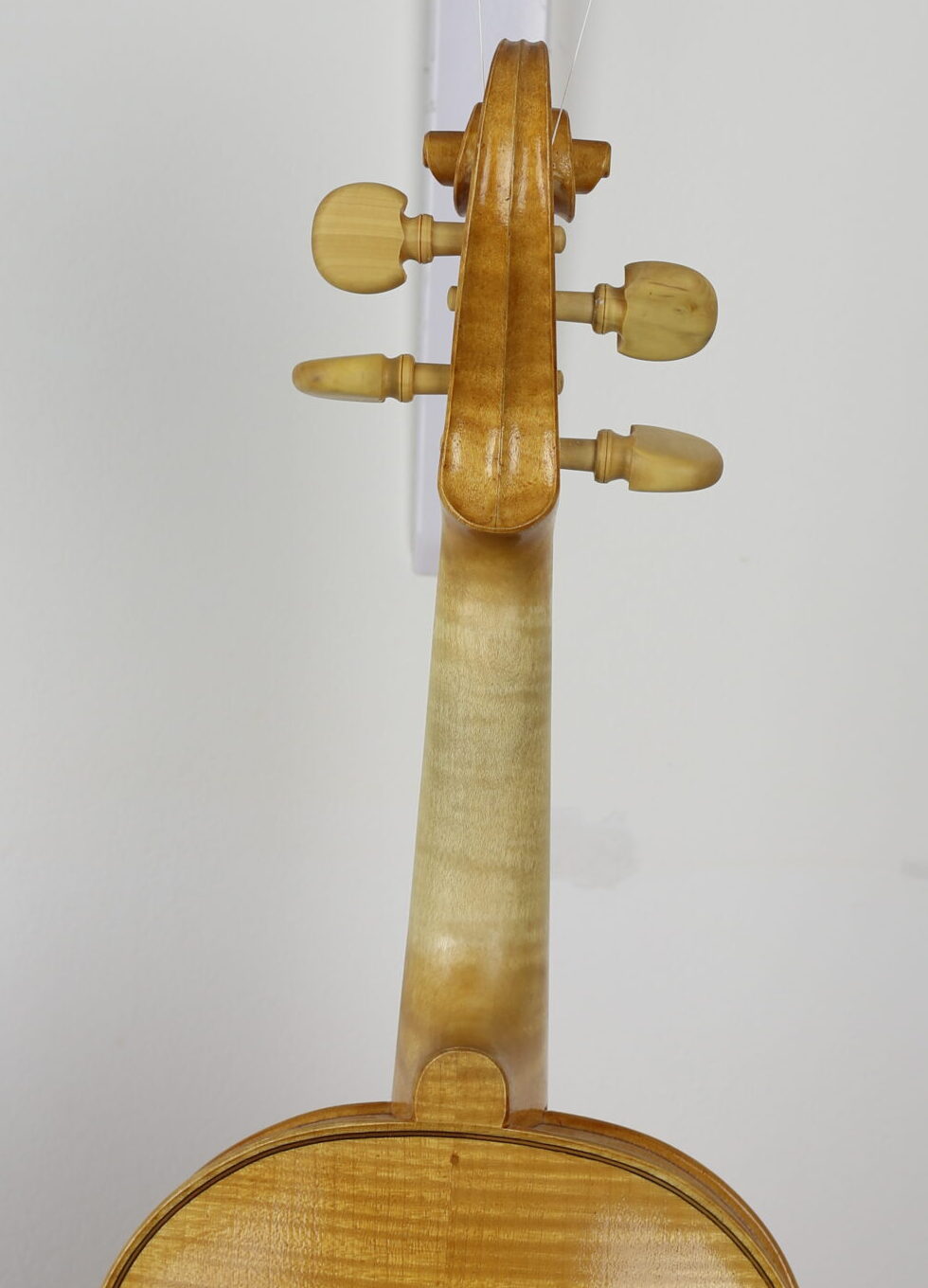
- Nailed neck (authentic baroque construction, not a reconstruction)
- String length: 325 mm
- Back length: 356 mm
- Width: 200 mm
- Weight: approx. 360 grams
The construction follows historical models more closely, with particular attention to proportion and visual authenticity.
Fingerboard and neck
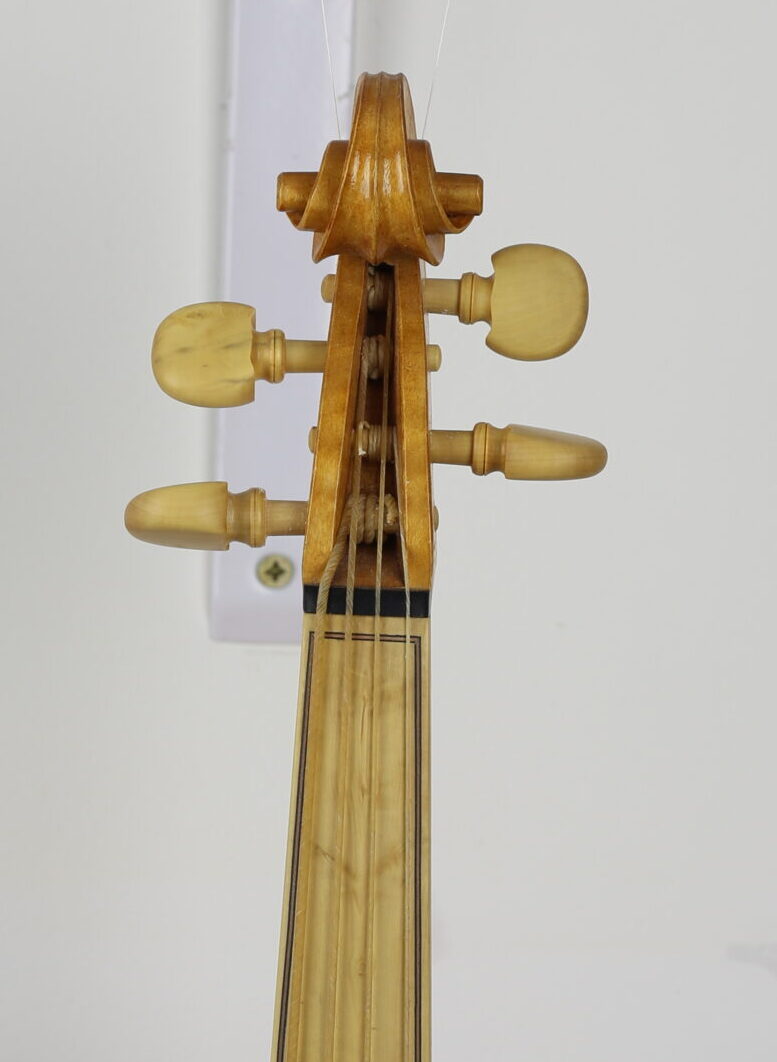
The fingerboard is made from spruce, veneered with boxwood, combining structural lightness with increased durability.
- boxwood veneer provides greater resistance to wear compared to maple
- spruce core keeps the neck lightweight
- results in increased resonance and fast response
The neck itself is shaped after a Stainer model, reinforcing the historical character of the instrument.
Pegs
The tuning pegs are fully handcrafted by Elise from French boxwood, based on an original design and consistent with the other instruments.
Varnish and finish
The violin is finished with an amber oil varnish (fossil resin) in a blonde color.
This varnish:
- enhances the natural appearance of the wood
- supports resonance
- reflects historical baroque finishing practices
Setup and sound
- Strings: plain gut (unsplit lamb)
- Bridge: historically informed, based on painted references
Sound character
This instrument offers a more mature and traditionally grounded sound:
- full and balanced
- stable and refined
- characteristic of Stainer-inspired instruments
It delivers a sound that aligns closely with expectations of the 17th-century baroque violin.
Intended for
This violin is particularly suited for:
- baroque specialists (Historically Informed Performance)
- solo players seeking a traditional sound
- musicians with a strong affinity for historical authenticity
Craftsmanship and philosophy
This instrument was built with a clear intention: to approach historical authenticity as closely as possible.
Construction was guided by detailed study of Stainer-based drawings, as well as visual references from period paintings. The goal was not only to recreate structural elements, but to achieve an overall impression that would feel at home in the 17th century.
As with all instruments, every component is handcrafted, without modern shortcuts, with full attention to construction, material, and sound.
Specifications
- Model: Tyrolean (Austrian baroque violin) – Model II
- Inspired by: Jacobus Stainer
- Period: 17th century
- Size: 4/4
- Price: €5000